What Is Cinnamon Tea Good For? Ceylon vs Cassia, Brewing
What is cinnamon tea good for? Learn what the sources say, the difference between Ceylon and Cassia cinnamon, the coumarin limit and the right way to brew it.
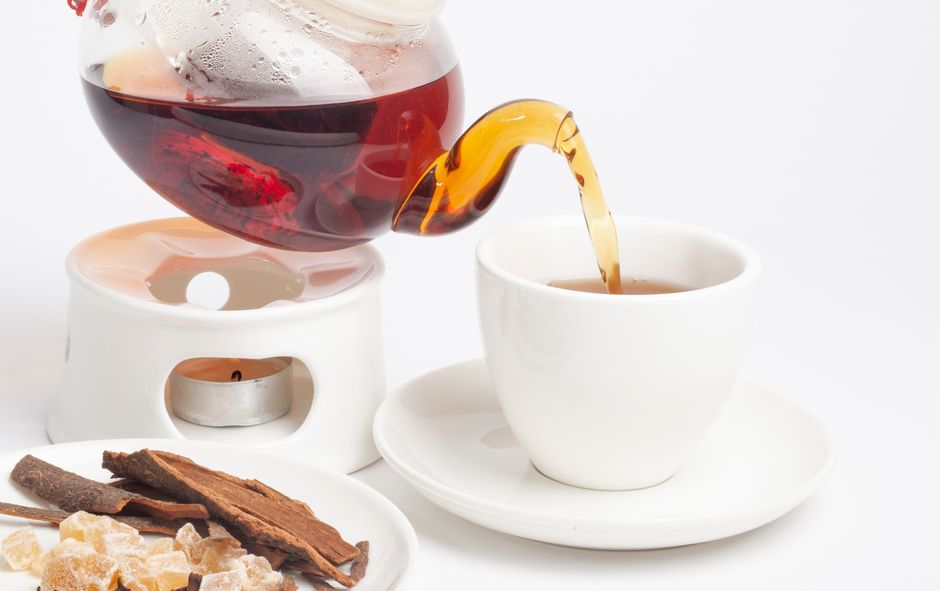
The short answer to what cinnamon tea is good for is this: in traditional use it is a warm drink chosen for mild digestive complaints, unsweetened yet with a sweet aroma. The European Medicines Agency (EMA) recognizes Ceylon cinnamon bark as a traditional herbal product for mild, cramp like digestive complaints, including bloating and gas. This status is based on a long history of use, not on clinical evidence. In short, cinnamon tea is not a medicine, it is a habit that adds a warm break to your daily routine when you drink it in moderation.
Dinner is over, you crave something sweet, but today you do not want sugar again. You open the kitchen cupboard and your eye falls on the cinnamon sticks. Boiling water, one cinnamon stick, ten minutes of waiting. So does this fragrant cup just calm your sweet tooth, or is it really good for something too?
In this article we go through what cinnamon tea is, what the sources say, the important difference between the two types of cinnamon, how to brew it, how much you can drink a day and who should be careful.
Table of Contents
What Is Cinnamon Tea? How a Tree Bark Ends Up in Your Cup
Cinnamon tea is made by steeping the inner bark of the cinnamon tree in boiling water. As the bark dries it curls up on itself, and the familiar sticks you see in the shop are the result. Ground cinnamon can be used instead of sticks, but the powder does not dissolve in water and leaves sediment at the bottom of the cup.
The main compound that gives cinnamon its warm and sweetish smell is cinnamaldehyde. That is why cinnamon tea feels sweet even without any added sugar. But not all cinnamon is the same, and this difference directly affects how often you should drink the cup.
What Is Cinnamon Tea Good For? What Do the Sources Say?
The European Medicines Agency lists Ceylon cinnamon bark in its herbal assessment of cinnamon bark in the traditional use category for mild complaints of the digestive system. This acknowledges that cinnamon has been used for this purpose for many years. But it does not mean that its effectiveness has been proven by clinical studies.
Cinnamon is mostly in the news because of research on blood sugar. The US National Center for Complementary and Integrative Health in its information page on cinnamon states that the results of these studies are inconsistent and that cinnamon cannot be recommended as a treatment for any health problem. So cinnamon tea does not replace a medicine.
The honest summary is this: cinnamon tea may contribute to a feeling of comfort after meals and can fit well into your routine as an unsweetened sweet alternative. Keeping your distance from claims beyond that is the healthiest approach.
Ceylon or Cassia? The Most Overlooked Difference in Cinnamon Tea
Most of the products sold as cinnamon in the shop are actually Cassia, also known as Chinese cinnamon. Ceylon cinnamon is also known as true cinnamon and comes from Sri Lanka. Both sit on the same shelf, but there is an important difference in their content: coumarin.
Coumarin is a natural compound that can strain the liver in sensitive people when taken in large amounts over a long time. The German Federal Institute for Risk Assessment (BfR) in its question and answer page on coumarin in cinnamon gives the tolerable daily amount as 0.1 milligrams per kilogram of body weight. According to the same source, an adult weighing 60 kilos can reach this limit with about 2 grams of Cassia cinnamon a day. In Ceylon cinnamon, however, coumarin is at a very low level.
How Can You Tell the Cinnamon on the Shelf Apart?
Criterion for telling cinnamon types apart | What you see in Ceylon cinnamon | What you see in Cassia cinnamon |
|---|---|---|
Appearance of the cinnamon stick | Thin bark with many layers, rolled like a cigar | Thick, single layer and hard bark |
Color of the cinnamon bark | Light, yellowish brown | Dark, reddish brown |
Aroma in cinnamon tea | Soft and slightly sweet | Sharp and burning |
Coumarin level in the cinnamon type | Very low | High |
With ground cinnamon this difference is hard to see. That is why looking for the words Ceylon or Cinnamomum verum on the package is the most practical way. If these words are missing, it is safer to assume that the product is Cassia.
How Do You Brew Cinnamon Tea? A Warm Cup in 4 Steps
Break one Ceylon cinnamon stick in half or measure out about one gram of ground Ceylon cinnamon.
Bring one glass of water (about 250 ml) to the boil and add the cinnamon.
If you use a stick, simmer it on low heat for 5 minutes, then let it steep with the lid on for 10 minutes. If you use powder, 5 minutes of steeping is enough.
Strain it, let it cool for a few minutes and sip it slowly without adding sugar. A slice of apple or a few cloves make the taste richer.
You can steep the same cinnamon stick once more. The second brew is milder but still fragrant. If you keep your sticks in a closed jar away from light, their aroma lasts longer.
How Many Cups of Cinnamon Tea a Day?
One to two cups made with Ceylon cinnamon is generally a reasonable amount for a healthy adult. The European Medicines Agency assessment also mentions half a gram to one gram of cinnamon bark per serving as herbal tea. So part of a stick or half a teaspoon of powder is enough.
If you use Cassia cinnamon, the picture changes. Drinking more than one cup every day, together with the cinnamon you add to meals and desserts, can easily exceed the coumarin limit. If your digestive complaints last longer than 2 weeks, consulting a doctor is a better path than switching teas.
Who Should Be Careful with Cinnamon Tea?
Pregnant and breastfeeding women: the European Medicines Agency does not recommend using cinnamon bark as an herbal product in this period, because there is not enough data.
People taking blood sugar medicine: because the effect of cinnamon together with these medicines is not known, you should talk to your doctor before drinking it regularly.
People with a liver condition: because of coumarin, Cassia cinnamon in particular is an option to stay away from.
People taking blood thinners and those allergic to cinnamon: get the advice of a doctor or pharmacist before use.
What Most People Get Wrong About Cinnamon Tea
On social media, drinking cinnamon water on an empty stomach in the morning is presented like a secret for melting belly fat. There is no strong evidence for this. What is more, most people who follow these recipes every day unknowingly use the Cassia cinnamon from the supermarket.
So the problem is not cinnamon, but the amount and the type. If you will drink it every day, choosing Ceylon cinnamon and seeing the cup as a break that replaces dessert is a much more realistic approach than waiting for a miracle.
Why Is There Ceylon Cinnamon in the HerbaltoX Blend?
One of the 13 herbs in the HerbaltoX blend is Ceylon cinnamon. It does not stand alone in the cup. It is steeped together with fennel, ginger, hibiscus, green tea and the other herbs, and it adds a soft sweetness to the blend without added sugar.
If you want to build an evening habit of warm herbal tea, you can take a look at the HerbaltoX herbal teas that also contain Ceylon cinnamon in our shop. The recommended use is 2 sachets a day, and each sachet is steeped for 3 to 5 minutes. If you are pregnant, breastfeeding or take regular medication, consult your doctor first. HerbaltoX is an herbal supplement, not a medicine.
Related Articles
Other teas and natural solutions to try for bloating besides cinnamon tea
Ingredient article on the role of Ceylon cinnamon in the HerbaltoX blend
Article looking at ginger tea, which is often brewed together with cinnamon
Notes on how herbs like cinnamon interact with medicines and coffee
Frequently Asked Questions (FAQ)
Can you drink cinnamon tea on an empty stomach?
Many people drink a mild cinnamon tea on an empty stomach without any problem. For those with a sensitive stomach, however, a strong cup can cause discomfort. If the aim is comfort after a meal, drinking it after eating makes more sense.
Does cinnamon tea make you lose weight?
There is no strong evidence that cinnamon tea alone makes you lose weight. As an unsweetened drink with a sweet aroma it may help you manage sweet cravings, but weight change is determined by nutrition and movement.
Does cinnamon tea keep you awake?
Pure cinnamon tea contains no caffeine, so it can also be drunk in the evening. However, ready made cinnamon tea blends may contain black or green tea. If you plan to drink it in the evening, check the ingredient list on the package.
Can you add honey and lemon to cinnamon tea?
A few drops of lemon go well with cinnamon. If you want to add honey, add no more than one dessert spoon after the tea has cooled a little. The sweet aroma of cinnamon already reduces the need for sugar for most people.
⚠️ This content is for general information purposes only and does not constitute medical advice. Please consult a healthcare professional for any health problems. HerbaltoX is an herbal supplement, not a medicine.
This content was prepared by the HerbaltoX Content Team and does not constitute medical advice.