Is Ginger Tea Good for Bloating? Brewing and Caution
Is ginger tea good for bloating? Learn what the sources say, how to brew it, how many cups a day are reasonable and who should be careful with it.
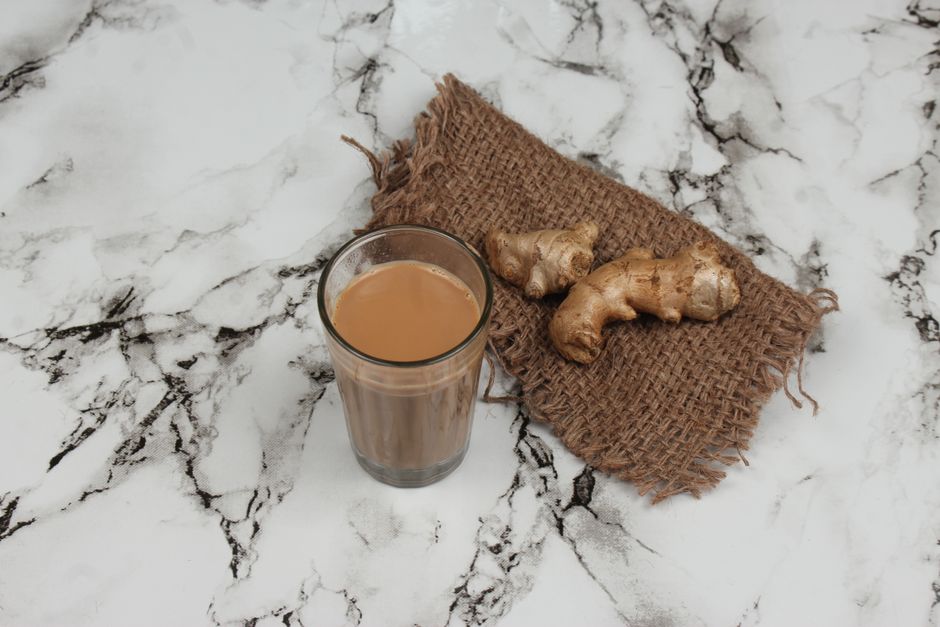
The short answer to whether ginger tea is good for bloating is this: in traditional use yes, in terms of scientific evidence it is limited. The European Medicines Agency (EMA) recognizes ginger root as a traditional herbal product for mild, cramp like digestive complaints, including bloating and gas. This status is based on a long history of use, not on clinical studies. In short, ginger tea is not a medicine, it is a warm and spicy habit that may contribute to a feeling of comfort after meals.
Sunday breakfast went on too long and one more slice of pastry came on top. By noon your belly feels like a drum and your belt wants to loosen by one hole. Your neighbor gives you a recipe right away on the phone: a finger of ginger, boiling water, a little lemon. So does that burning cup really work, or does it just warm you up inside?
In this article we go through what ginger tea is, what the sources say about bloating, how to brew it, how many cups a day are reasonable, how it differs from fennel tea and who should approach this tea with caution.
Table of Contents
What Is Ginger Tea? A Short Journey from Root to Cup
Ginger tea is made from the underground stem of the Zingiber officinale plant, the part people usually call the root. The fresh root is sliced or grated and left to steep in boiling water. Dried ginger powder can also be used, but the taste is flatter.
What gives ginger its familiar sharp and burning taste are compounds called gingerol and shogaol. These compounds are also the main reason ginger is so popular in the kitchen and in traditional use. So what does this sharpness mean for a bloated belly?
Is Ginger Tea Good for Bloating? What Do the Sources Say?
The European Medicines Agency lists ginger root in its herbal assessment of ginger root in the traditional use category for mild digestive complaints including bloating and gas. This acknowledges that ginger has been used safely for this purpose for many years. But it does not mean that its effectiveness has been proven by clinical studies.
Some small studies suggest that ginger may slightly speed up the emptying of the stomach. When food stays in the stomach for a shorter time, the feeling of fullness may also pass more quickly. However, these studies were done with few people and most of them used ginger in capsule form, not as tea.
The US National Center for Complementary and Integrative Health also in its information page on ginger describes its use for digestive discomfort as a traditional use. So the honest answer is this: ginger tea may contribute to a feeling of comfort after meals for many people, but it is not a method that promises the same result for everyone.
How Do You Brew Ginger Tea? A Comfort Cup in 4 Steps
Wash about 2 to 3 centimeters of fresh ginger root, scrape off the peel with the edge of a spoon and slice it thinly or grate it.
Bring one glass of water (about 250 ml) to the boil and add the ginger slices.
Simmer on low heat for 5 to 10 minutes or take it off the stove and let it steep for 10 minutes with the lid on. The longer you wait, the sharper the taste becomes.
Strain it, let it cool for a few minutes and add a few drops of lemon if you like. Sip it slowly within half an hour after the meal.
Fresh Ginger or Ground Ginger?
Raw material for ginger tea | Taste in the cup | Our practical note in this article |
|---|---|---|
A slice of fresh ginger root | Lively, sharp and slightly lemony | Keeps in the fridge with its peel for 2 to 3 weeks |
Dried ground ginger | Flatter and a little more burning | Half a teaspoon per cup is usually enough |
Ground ginger does not fully dissolve in water and leaves sediment at the bottom of the cup. This is not a problem, you just need to stir before the last sip.
How Many Cups of Ginger Tea a Day?
For a healthy adult, one to two cups of ginger tea a day is generally a reasonable amount. More is not always better. Very strong ginger can cause heartburn and acid reflux, especially in sensitive stomachs.
The European Medicines Agency recommends consulting a doctor or pharmacist if digestive complaints last longer than 2 weeks. Rather than drinking ginger tea every day for weeks, it is a better path to find out where the complaint comes from.
Fennel or Ginger? Which One to Choose for Bloating and When?
When it comes to bloating, the two warm cups that usually come to mind are fennel and ginger. Both are traditionally used for digestive comfort, but their characters are different.
Comparison criterion (fennel and ginger) | Fennel tea side | Ginger tea side |
|---|---|---|
The taste of these two teas | Sweetish, mild, reminiscent of anise | Sharp, burning, warming |
The feeling it is mostly chosen for | Gas and a tight feeling in the belly | Fullness after a heavy meal and mild nausea |
Who it may be less suitable for | People allergic to the carrot and celery family | People with reflux or a sensitive stomach |
Someone who does not like fennel tea at all can try ginger, and someone who cannot stand the heat of ginger can try fennel. Mixing the two half and half in the same teapot is also a practical way to balance the taste.
What Most People Get Wrong About Ginger Tea
Most people think that the more burning ginger tea is, the more effective it is, and they boil a handful of ginger for half an hour. In fact, a very strong cup can irritate the stomach and lead to a burning feeling instead of easing the bloating. A mild and easy to drink cup is usually a better choice for this purpose.
There is one more misconception. Ginger tea is not a fat burning drink. When the bloated feeling decreases, the belly may look flatter, but that does not mean weight loss. The real difference comes from eating habits, sleep and movement.
Who Should Be Careful with Ginger Tea?
Pregnant and breastfeeding women: although ginger is often discussed for pregnancy nausea, the European Medicines Agency does not recommend its use during this period. Do not drink ginger tea regularly without consulting your doctor.
Children and teenagers: since there is not enough data, the use of ginger for this purpose is not recommended under the age of 18.
People taking blood thinners or other regular medication: herbs can interact with some medicines. Ask your doctor or pharmacist before making ginger tea a habit.
People with gallstones, reflux, gastritis or ulcers: the sharpness of ginger can increase discomfort in these conditions.
People allergic to ginger: stop drinking it if you notice redness, itching on the skin or nausea.
When Does Bloating Need More Than a Cup of Tea?
Bloating that occasionally follows a heavy meal is usually harmless. But if the bloating lasts for weeks, or comes with unexplained weight loss, blood in the stool, severe abdominal pain, fever or repeated vomiting, you need to see a doctor instead of having a cup of tea. These symptoms are not the kind to be brushed off with ginger tea.
How Does Ginger Fit into the HerbaltoX Blend?
Ginger is one of the 13 herbs in the HerbaltoX blend. In the cup it is not alone; it comes together with fennel, cinnamon, hibiscus, green tea and the other herbs. That is why it is not as burning as pure ginger tea and gives a more balanced and easy to drink taste.
If you want to add a warm herbal tea habit to your daily routine, you can take a look at the HerbaltoX herbal tea products in our shop. The recommended use is 2 sachets a day, and each sachet is steeped for 3 to 5 minutes. If you are pregnant, breastfeeding or take regular medication, consult your doctor first. HerbaltoX is an herbal supplement, not a medicine.
Related Articles
Teas other than ginger and natural solutions to try for bloating
Ingredient article on the role of ginger in the HerbaltoX blend
Notes on interactions between herbal teas, medicines and coffee
Frequently Asked Questions (FAQ)
Can you drink ginger tea on an empty stomach?
Many people drink ginger tea on an empty stomach without any problem. However, for those with a sensitive stomach, a burning cup on an empty stomach can cause heartburn. If the aim is comfort after a meal, drinking it after eating makes more sense.
Does ginger tea cause gas?
Ginger tea is not usually known as a drink that causes gas; on the contrary, it is traditionally chosen for a gassy feeling. Still, strong ginger can cause stomach upset in some people. Starting with a mild cup is the safest way.
Does ginger tea make you lose weight?
There is no strong evidence that ginger tea alone makes you lose weight. As an unsweetened warm drink it can be part of a balanced diet, but fat loss is determined by nutrition and movement.
Can you add honey and lemon to ginger tea?
A few drops of lemon soften the taste and suit most people. If you want to add honey, add no more than one dessert spoon after the tea has cooled a little. People who monitor their blood sugar should watch the amount of honey.
⚠️ This content is for general information purposes only and does not constitute medical advice. Please consult a healthcare professional for any health problems. HerbaltoX is an herbal supplement, not a medicine.
This content was prepared by the HerbaltoX Content Team and does not constitute medical advice.