Is Fennel Tea Good for Bloating? Brewing and Use
Is fennel tea good for bloating? Learn about its traditional use, how to brew it, how many cups a day are reasonable and who should be careful with it.
The short answer to whether fennel tea is good for bloating is this: traditionally yes, scientifically the evidence is limited. Fennel seed is a plant that has been used for centuries for gas and a mild feeling of bloating, and the European Medicines Agency also recognizes this as traditional use. Still, large and high quality human studies are few. In short, fennel tea is not a cure for bloating, it is a warm habit that may contribute to a feeling of comfort after meals.
You have just got up from dinner and suddenly the button of your trousers feels tight. You sit down on the sofa but the tension in your belly just does not go away. If your mother were here, she would go to the kitchen and boil a handful of fennel seeds. So what does that slightly aniseed flavored cup really do?
In this article we go through what fennel tea is, what the sources say about bloating, how to brew it, how many cups a day are reasonable and who should approach this tea with caution.
Table of Contents
What Is Fennel Tea? A Seed from the Kitchen to the Cup
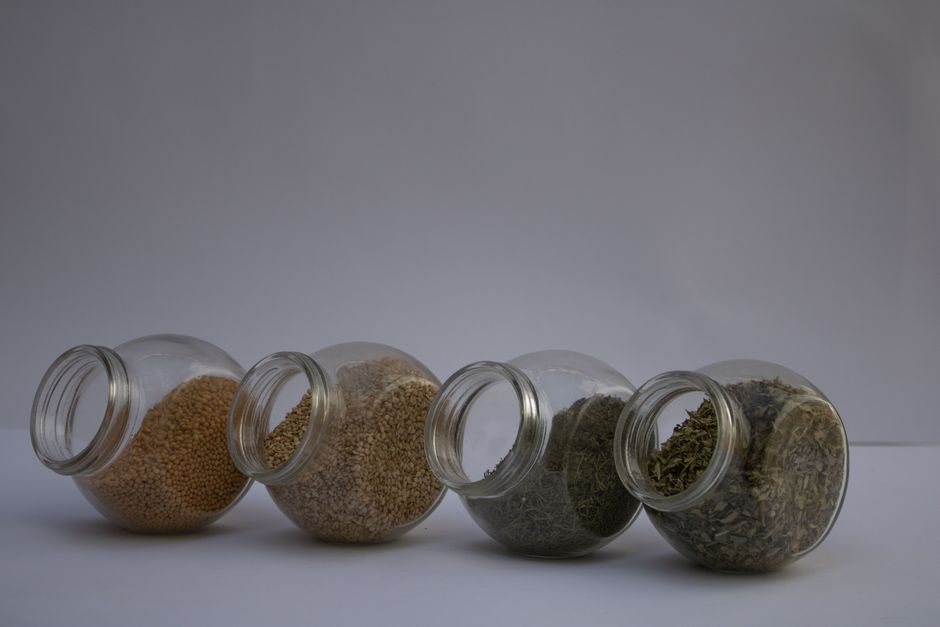
Fennel tea is made from the dried seeds of the Foeniculum vulgare plant. The bulb of the plant is used in salads and olive oil dishes, while the seed is used as a spice. Its taste is sweetish with a hint of aniseed, which is why many people confuse it with anise.
In Anatolian cuisine, fennel seed appears both in dishes and in after dinner teas. In some regions guests are offered a handful of fennel seeds after a meal. For a general overview of the botany of the plant and how it is used around the world, see the Wikipedia article on fennel.
Is Fennel Tea Good for Bloating? What Do the Sources Say?
The digestive use of fennel seed is based mainly on traditional knowledge. The European Medicines Agency assesses fennel seed as a traditional herbal product for mild digestive complaints such as bloating and gas. This assessment is based on the long history of safe use of the plant, not on a clinically proven effect. For details, see the European Medicines Agency page on fennel fruit.
Laboratory and animal studies have looked at whether the essential oils in fennel seed can relax the digestive muscles. Studies in humans, however, were usually done with small groups and with products in which fennel was mixed with other herbs. That is why there is no clear figure on how much fennel tea reduces bloating.
The honest conclusion is this. A warm cup of fennel tea after a meal feels soothing to many people. Part of this may come from the plant itself, and part of it from the effect of a warm drink and of slowing down.
How Can Fennel Tea Contribute When You Feel Bloated?
There is often no single cause behind bloating. Eating fast, fizzy drinks, a sudden switch to high fiber foods, inactivity and hormonal phases all play a role. Fennel tea can fit into these habits in three ways.
A cup of fennel tea instead of a fizzy drink after meals
Fizzy drinks carry air straight into the stomach. Choosing a warm fennel tea instead after a meal is a simple way of not adding extra gas to your belly.
Slowing down by chewing fennel seeds
Slowly chewing a few fennel seeds after a meal is an old habit. It leaves a fresh taste in the mouth and slightly delays the urge to get up from the table and snack on something right away.
A cup of fennel that suits the evening because it is caffeine free
Fennel tea contains no caffeine. That makes it a suitable choice for anyone who wants something warm after dinner without disturbing their sleep.
We have gathered other teas and daily routine tips that may help with bloating in our guide to bloating teas and natural solutions to try together with fennel tea .
How to Brew Fennel Tea and How Many Cups a Day
The key to fennel tea is to crush the seeds lightly just before brewing. This way the aroma passes into the water better.
Lightly crush one dessert spoon of fennel seeds in a mortar or with the flat side of a knife.
Add the crushed seeds to a glass of boiled water and cover it.
Let the fennel seeds steep for seven to ten minutes, then strain.
If it tastes sweet enough to you, drink it without sugar; if you like, add a slice of fresh ginger or a few mint leaves.
For healthy adults, one to three cups a day is usually considered reasonable. The most practical time is the half hour after a meal. If the bloating lasts longer than two weeks, it is better to consult a doctor rather than increase the amount of tea.
Fennel, Anise and Caraway Seed: Three Seeds Often Confused
These three seeds come from the same plant family and are all traditionally used in after dinner teas. Because they look and taste similar, they are often mixed up at the herbalist.
Seed | Taste | Traditional use |
|---|---|---|
Fennel | Sweetish, slightly aniseed | Gas and a bloated feeling after meals |
Anise | A strong and sharp aniseed taste | Digestion and warm winter drinks |
Caraway seed | Slightly bitter, earthy | Bread, cheese and herbal blends |
Fennel and caraway seed are often used together in traditional blends. Trying both in the same cup can be a more balanced option for those who do not like the sweetish taste of fennel on its own.
What Most People Get Wrong About Fennel Tea
Most people see fennel tea as a completely harmless herbal drink and believe it is fine for babies and during pregnancy. In fact, fennel contains a compound called estragole. For this reason the European Medicines Agency does not recommend it during pregnancy and breastfeeding because there is not enough safety data. For young children, it is best to ask a pediatrician before use.
There is one more misconception. Fennel tea is known mainly for gas and a bloated feeling, not for edema or water retention. Bloating and water retention are different things and are handled with different habits.
Who Should Be Careful with Fennel Tea?
Pregnant and breastfeeding women: since there is not enough safety data, do not drink fennel tea without the approval of a doctor.
Babies and young children: always ask a pediatrician before giving fennel tea to your child.
People allergic to carrot, celery or parsley: since fennel comes from the same plant family, a similar reaction may occur.
People who take regular medication or have a hormone sensitive condition: fennel may interact with some medicines, so talk to your doctor before drinking it regularly.
Severe or worsening abdominal pain, weight loss, blood in the stool or bloating that does not go away for weeks are not things to wait out with tea. In such a case, see a doctor without delay. You can read about the possible causes of everyday bloating in our article on the everyday causes of bloating and ways to ease it .
Trying Fennel Not on Its Own but as Part of a Blend
For those who do not want to crush and brew fennel separately every day, finding it in the same sachet as other herbs can be a practical option. If you want to try this approach, HerbaltoX detox tea, which combines fennel with 12 other herbs in the same sachet be one of the options to try. Alongside fennel, the blend contains caraway seed, ginger, Ceylon cinnamon, green tea, mate, hibiscus, lime, chia, konjac, spirulina, stevia and senna.
Because of green tea and mate, this blend contains some caffeine. Since it contains senna, it should not be used for long periods without a break. If you are pregnant, breastfeeding, take regular medication or have a chronic condition, talk to your doctor before you start.
Related Articles
Teas other than fennel and natural solutions to try for bloating
Ingredient article on the role of fennel in the HerbaltoX blend
Bloating friendly foods to add to the table alongside fennel tea
Frequently Asked Questions (FAQ)
When should you drink fennel tea, on an empty or a full stomach?
For a bloated feeling, the most common choice is to drink a cup of fennel tea within half an hour after a meal. Drinking it on an empty stomach causes no problem for most people, but if the aim is comfort after a meal, drinking it after eating makes more sense.
Can you drink fennel tea every day?
For a healthy adult, one to three cups of fennel tea a day is generally considered reasonable. Rather than drinking it every day for weeks, it is a better approach to take breaks and to consult a doctor if the complaint continues.
Does fennel tea make you lose weight?
There is no strong evidence that fennel tea alone makes you lose weight. A reduced feeling of bloating can make your belly feel flatter, but that does not mean fat loss. The real difference comes from your eating habits and movement.
What are the side effects of fennel tea?
When drunk in normal amounts, fennel tea is well tolerated by most adults. Rarely, an allergic reaction, skin sensitivity or stomach upset may occur. In case of pregnancy, breastfeeding, young children or regular medication, you should consult a doctor.
⚠️ This content is for general information purposes only and does not constitute medical advice. Please consult a healthcare professional for any health problems. HerbaltoX is an herbal supplement, not a medicine.
This content was prepared by the HerbaltoX Content Team and does not constitute medical advice.