Is Hibiscus Tea a Diuretic? Its Effect on Water Retention
Is hibiscus tea a diuretic? Learn what research says, how to brew it, how many cups a day are reasonable and who should be careful with this red tea.
The short answer to whether hibiscus tea is a diuretic is yes, but only mildly. This effect has mostly been observed in animal studies and small human studies, so the evidence is limited. Being caffeine free and making it easier to drink enough fluid, it can contribute to a daily routine. In short, hibiscus tea is not the solution for edema, it is an enjoyable option that supports your fluid routine while you deal with water retention.
When you take off your shoes in the evening, the elastic of your sock has left a mark on your ankle. Your ring feels a little tight on your finger. A friend recommends a red, sour tea and says it helps flush out water. So what does that deep red cup really do?
In this article we go through what hibiscus tea is, what research says about its diuretic effect, how to brew it, how many cups a day are reasonable and who should approach this tea with caution.
Table of Contents
What Is Hibiscus Tea? A Sour, Red Flower Infusion
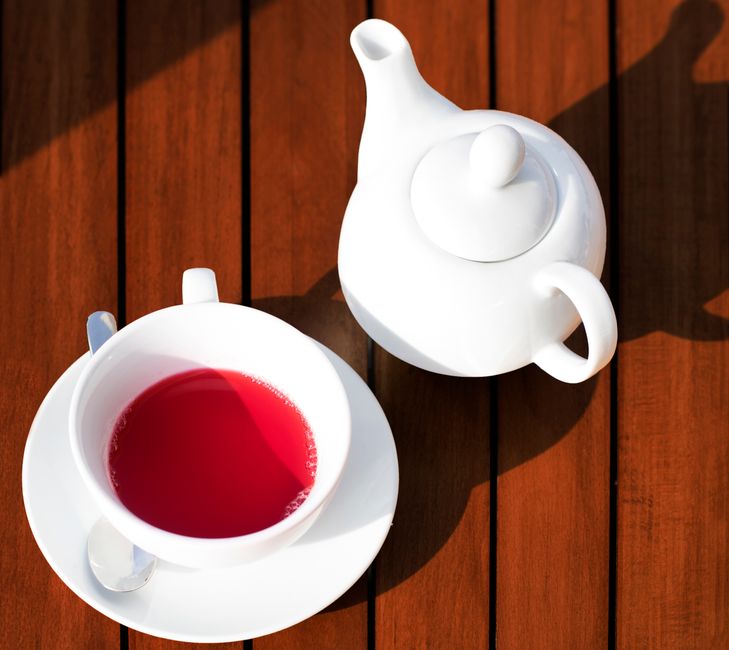
Hibiscus tea is made from the dried calyces of the Hibiscus sabdariffa plant. In Turkey this plant is also known by names such as Sudan rose or Mecca rose. Its color is deep red, and its taste sits somewhere between cranberry and pomegranate molasses.
In countries such as Egypt, Sudan and Mexico it is a traditional drink served hot or cold. Since it contains no caffeine, it can also be enjoyed comfortably in the evening. For a general overview of the plant and how it is used in different countries, see the Wikipedia article on hibiscus tea.
Is Hibiscus Tea a Diuretic? What Does the Research Show?
The diuretic effect of hibiscus has mostly been studied in animal experiments. In these experiments, animals given hibiscus extract showed an increase in urine volume. In humans, however, there are only a few studies, and they were short and carried out with small groups.
Most human studies on hibiscus actually focused on blood pressure values rather than urine volume. Some of these studies reported positive results, but scientific reviews point out that the quality of the studies is low and not sufficient for a firm recommendation. In other words, hibiscus tea does not replace blood pressure medication or a diuretic prescribed by a doctor.
This picture leads to an honest conclusion. After drinking hibiscus tea you may notice that you go to the toilet a little more often. Part of this comes from the plant itself, and part of it simply comes from the extra fluid you have had.
How Can Hibiscus Tea Contribute When You Have Water Retention?
What really determines water retention is not a single plant but daily habits. The amount of salt, sitting still for long periods, hot weather and hormonal phases play a big role in this picture. Hibiscus tea can fit into these habits in three different ways.
Using hibiscus tea to increase your fluid intake during the day
A body that gets too little water tends to hold on to the water it has. For those who find plain water boring, a sour and colorful tea makes it easier to drink a few more glasses during the day.
A cold hibiscus brew instead of sugary drinks
Cold brewed hibiscus is a refreshing alternative to fizzy, sugary drinks. It lets you keep a colorful jug on the table without the sugar and sodium load that is common in packaged drinks.
A cup of hibiscus that can be enjoyed in the evening because it is caffeine free
Coffee and black tea can disturb sleep in the evening. Since hibiscus tea contains no caffeine, it is a suitable option for those who want a warm cup after dinner. Still, to avoid waking up at night to go to the toilet, it is better not to drink a large glass right before bed.
It is also important to know that water retention and edema are not the same thing. Persistent, one-sided or painful swelling needs a different assessment. We explain this distinction in detail in our article on the difference between water retention and edema , where we also list the signs that mean you should see a doctor.
How to Brew Hibiscus Tea and How Many Cups a Day
Preparing hibiscus tea takes only a few minutes. You can brew it hot or cold, and the measure is the same for both methods.
For a hot brew, add one dessert spoon of dried hibiscus flowers to a glass of water that has boiled and rested for a minute or two.
Let the hibiscus flowers steep for five minutes; if you leave them longer, the sourness becomes much stronger.
For a cold brew, put the same amount into room temperature water and leave it in the fridge for six to eight hours.
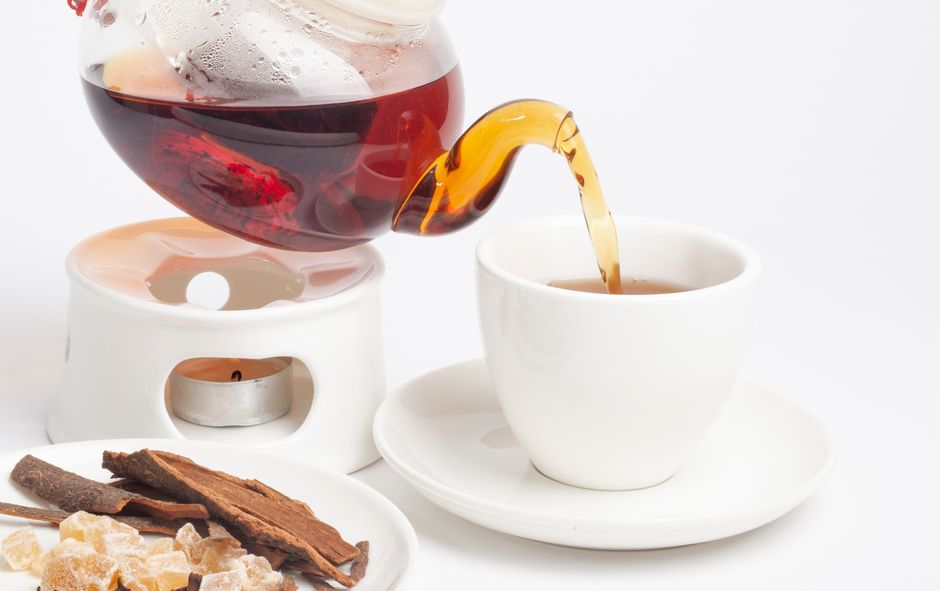
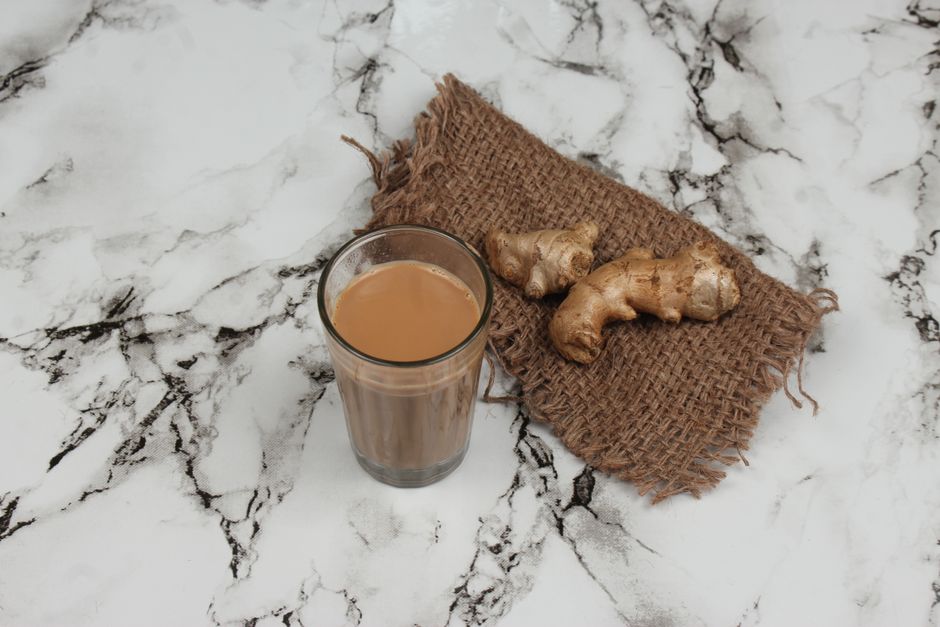
Try softening hibiscus tea not with sugar but with a cinnamon stick or a few slices of fresh ginger.
For healthy adults, one to three cups a day is usually considered a reasonable amount. More than that brings no extra benefit and can put a strain on a sensitive stomach and on tooth enamel. Since it is a sour drink, rinsing your mouth with plain water afterwards is a good habit for your teeth.
Hibiscus Tea and Other Diuretic Teas: A Comparison Table
Hibiscus is not the only tea known as a diuretic. The table below puts hibiscus tea side by side with three teas people often ask about.
Herbal tea being compared | Caffeine status of this tea | What is known about the diuretic effect |
|---|---|---|
Hibiscus tea (Sudan rose) | Hibiscus tea contains no caffeine | Mild effect, most evidence comes from animal studies |
Tea made from dandelion leaves | Dandelion leaf contains no caffeine | A small human study saw an increase in urination frequency |
Tea brewed from green tea leaves | Green tea carries a moderate amount of caffeine | Most of the mild effect is linked to its caffeine |
Herbal tea made with mint leaves | Mint leaves have no caffeine | Its diuretic effect is weak, it is mostly chosen for digestion |
If you are curious about dandelion, take a look at our article examining the effect of dandelion tea on water retention , and for a broader list see our guide comparing diuretic teas one by one to compare hibiscus with the other options.
Most People Expect Far Too Much from Hibiscus Tea
On social media, hibiscus tea is sometimes described as a drink that melts belly fat overnight. The small drop seen on the scale in the morning is usually not fat loss but a short-term change in water and bowel content. This change returns to normal within a few days.
The second misconception is the idea that drinking more will work better. Drinking litres of hibiscus does not quickly end water retention; on the contrary, it can irritate the stomach and may cause dizziness in people with low blood pressure. The real value of hibiscus tea is that, when drunk in moderation, it makes your fluid routine more enjoyable.
If you want to look at this topic from a broader angle, our article on the side effects of diuretic teas and electrolyte balance is a useful read if you plan to drink hibiscus tea often.
Who Should Be Careful with Hibiscus Tea?
People who take blood pressure medication or diuretic drugs: hibiscus may add to the effect of these medicines. Talk to your doctor before drinking it regularly.
People whose blood pressure is already low: if you notice dizziness or weakness, stop drinking hibiscus tea.
Pregnant and breastfeeding women: there is not enough safety data on hibiscus for these periods, so it should not be drunk without the approval of a doctor.
People with kidney, heart or liver conditions: since your fluid and mineral balance is followed by a doctor, ask before adding any herbal tea.
People with gastritis or reflux: the sour nature of hibiscus may upset the stomach, so try it diluted and after a meal rather than on an empty stomach.
Sudden, one-sided or painful swelling in the legs, or edema that comes with shortness of breath or chest pain, is not something to wait out with tea. In such a case, see a doctor without delay. You can find which signs matter in our article listing the warning signs of edema that call for a doctor visit , which helps you assess your own situation more calmly.
Trying Hibiscus Not on Its Own but as Part of a Blend
For those who do not like the sourness of hibiscus on its own, drinking it together with other herbs gives a more balanced taste. If you want to try this approach, HerbaltoX detox tea, which brings hibiscus together with 12 other herbs in the same sachet could be a suitable option. Alongside hibiscus, the blend contains green tea, mate, ginger, fennel, Ceylon cinnamon, lime, chia, konjac, spirulina, stevia, caraway seed and senna.
You should know that because this blend contains green tea and mate it has some caffeine, and because of senna it should not be used for long periods without a break. If you are pregnant, breastfeeding, take regular medication or have a chronic condition, talk to your doctor before you start.
Related Articles
Teas for bloating and natural solutions to try alongside hibiscus tea
Ingredient article on the role of hibiscus in the HerbaltoX blend
Article discussing the effect of green tea on water retention
Frequently Asked Questions (FAQ)
Can hibiscus tea be drunk on an empty stomach, and does it upset the stomach?
For someone without a sensitive stomach, one cup on an empty stomach usually causes no problem. However, because of its sourness it can cause a burning feeling in people with gastritis or reflux. In that case it is more comfortable to drink hibiscus tea after a meal and brewed weaker.
Can you drink hibiscus tea every day?
For a healthy adult, one to three cups of hibiscus tea a day is generally considered reasonable. If you take blood pressure medication or your blood pressure is low, you should ask your doctor before drinking it every day.
Does hibiscus tea make you lose weight?
There is no strong evidence that hibiscus tea alone makes you lose weight. When it replaces sugary drinks it can help reduce your daily calorie intake, but the real difference comes from your eating habits and movement.
What are the side effects of hibiscus tea?
When drunk in excess it can cause heartburn, dizziness in people with low blood pressure and, because of its sourness, sensitivity of the tooth enamel. Since it may interact with some medicines, people who take medication regularly are advised to consult a doctor.
⚠️ This content is for general information purposes only and does not constitute medical advice. Please consult a healthcare professional for any health problems. HerbaltoX is an herbal supplement, not a medicine.
This content was prepared by the HerbaltoX Content Team and does not constitute medical advice.