Is Dandelion Tea a Diuretic? Its Effect on Water Retention
Is dandelion tea a diuretic? Learn what research says, the difference between root and leaf, how to brew it and who should be careful, read now.
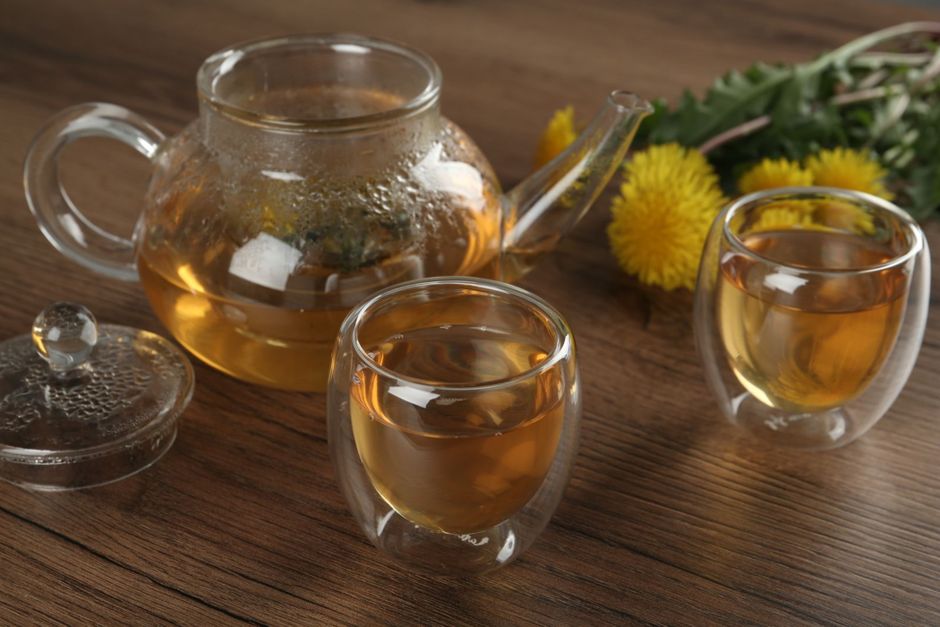
Dandelion tea is traditionally counted among the mildly diuretic herbal teas. This effect is mostly associated with the leaf of the plant. Although only a few studies have been done in humans, a small pilot study observed an increase in urination frequency. So the short answer is yes, but a measured yes.
Do you remember that white puffball you blew on as a child to send its seeds flying? That is the plant. Treated as a weed in the garden, dandelion has been brewed as tea in many countries for centuries. But does this tea really help get rid of excess water, or is it just a good story? Let us look at it step by step.
Table of Contents
Is Dandelion Tea a Diuretic? The Short Answer
The idea that dandelion (Taraxacum officinale) tea is a diuretic is based mainly on traditional use. On the scientific side the picture is more modest. Animal studies and a single small human study show that leaf extract may increase the amount or frequency of urination.
That is why it is more accurate to think of dandelion tea not as a strong medicine but as a mildly acting herbal tea. If you are curious about how diuretic teas work in general: our guide explaining how diuretic teas work
What Is Dandelion? Getting to Know the Yellow Garden Flower
Dandelion is a yellow-flowered perennial plant from the daisy family (Asteraceae). It grows wild in meadows, along roadsides and in gardens in almost every region of Turkey. In some areas its fresh leaves are also eaten as a salad or sautéed.
Two parts are usually used for tea: the dried leaves and the dried or roasted root. The dark drink made from roasted root is also known as a coffee alternative because of its taste. For the botanical characteristics of the plant: the Wikipedia entry on Taraxacum officinale
The Diuretic Effect of Dandelion Tea: What Does Research Say?
The most frequently cited human study on the diuretic effect of dandelion is a small pilot study published in 2009. In this study, 17 volunteers took dandelion leaf extract at set intervals over one day.
The results are interesting but limited. Urination frequency increased in the hours after the first dose, urine volume increased after the second dose, and no clear difference was seen after the third dose. The number of participants was very small and the study used an extract, not brewed tea.
So what we have is promising but not conclusive data. NCCIH, part of the US National Institutes of Health, also states that there is not enough scientific evidence on the effects of dandelion in humans. For a summary: the NCCIH dandelion fact sheet
Root or Leaf? Which Part Is Used for What?
When we say dandelion tea, we are actually talking about two different drinks. Your expectation changes depending on which one you buy:
Leaf tea: the part most associated with the diuretic effect. The leaves naturally contain potassium. That is why traditional sources say it may partly make up for the potassium lost through urine.
Root tea: traditionally associated more with digestion and bile flow. When roasted, it has a slightly bitter, coffee-like taste.
Root and leaf blend: there are also products that contain both. Checking the package for which part is used is a good habit.
If you are looking for dandelion tea for the feeling of water retention, products containing the leaf are chosen more often for this purpose. Less is known about the effect of root tea here.
How Can Dandelion Tea Contribute to Easing Water Retention?
Water retention is often related to too much salt, sitting still for long periods, hot weather or hormonal fluctuations. Dandelion tea does not remove these causes. But by contributing to daily fluid intake and with its mild diuretic effect, it may help ease the feeling of bloating.
One cup of tea does not cancel out a day of salty snacks. The best result comes when you combine the tea with a low-salt diet, enough water and a daily walk. Our article covering the possible causes of water retention in detail: our guide to the causes and signs of water retention
How to Brew Dandelion Tea and How Many Cups a Day?
Making dandelion tea is not hard. If you are using dried leaves, you can follow these steps:
Boil a cup of water and let it stand for 1-2 minutes to cool slightly.
Add one teaspoon (about 2 grams) of dried dandelion leaves to the cup.
Cover and let it steep for 5-10 minutes.
Strain and drink without sugar. If it tastes too bitter, you can add a slice of lemon or a little cinnamon.
If you are using the root, simmering it in water over low heat for 5-10 minutes gives better results. In general use, 1-2 cups a day is considered enough. Because of the diuretic effect, drinking the last cup a few hours before bed keeps your sleep from being interrupted at night.
What Most People Get Wrong
The most common misconception is that the more of a diuretic tea you drink, the better the result. Even in the pilot study, no additional difference was seen after the third dose. Beyond a certain point, the body manages its fluid balance on its own anyway.
The second misconception is mistaking a quick drop on the scale for fat loss. The small drop seen after drinking a diuretic tea is largely water that is excreted, and it comes back with fluid intake. That is why seeing dandelion tea as a slimming tool creates the wrong expectation. For the side effects of diuretic teas you should know about: our article on electrolyte balance and risks with diuretic teas
Who Should Not Drink Dandelion Tea?
Dandelion is a natural plant, but that does not mean it suits everyone. Consult your doctor before starting dandelion tea in the following situations:
If you are allergic to plants in the daisy family such as chamomile, chrysanthemum or marigold.
If you take diuretic medication, lithium, blood thinners or diabetes medication.
If you have a kidney, liver or gallbladder condition.
If you are pregnant or breastfeeding.
If you have a heart condition, hypertension, gastritis or an ulcer.
Swelling in the legs or ankles that starts suddenly, affects one side, is painful or comes with shortness of breath should not be brushed off with an herbal tea. In this case, seek medical care without delay. Our article explaining which situations require a doctor: our guide on when to see a doctor about edema
A Single Herb or a Blend?
Let us be clear: HerbaltoX Detox Mixed Herbal Tea does not contain dandelion. This article is not a product promotion; it was written to answer common questions about dandelion.
Still, for those who prefer a ready-made blend over dealing with a single herb, HerbaltoX can be an option. It is a 13-herb blend of green tea, mate tea, hibiscus, fennel, ginger, cinnamon (Ceylon), chia, konjac, spirulina, lime, stevia, caraway seed and senna. It is in the herbal support category, not a medicine.
2 sachets a day are recommended: 30 minutes before breakfast and 30 minutes after dinner. One sachet is added to hot water, steeped for 3-5 minutes and strained. For product details: take a look at the HerbaltoX mixed herbal tea
If you want to get to know each herb in the blend: the page that introduces the 13 herbs in the blend one by one
Frequently Asked Questions (FAQ)
Does dandelion tea make you urinate?
It is traditionally considered mildly diuretic. In a small pilot study, leaf extract was seen to increase urination frequency, but the evidence is limited.
How long does dandelion tea take to work?
In the pilot study, the increase in urination frequency was observed within 5 hours after the first dose. With brewed tea, the effect may vary from person to person.
Is dandelion root or leaf more diuretic?
The diuretic effect is mostly associated with the leaf. The root is traditionally known for its digestion-related uses.
Can you drink dandelion tea every day?
For healthy adults, 1-2 cups a day is generally considered reasonable. If you take regular medication or have a chronic condition, consult your doctor first.
Does dandelion tea help you lose weight?
It does not guarantee weight loss. The small change on the scale caused by the diuretic effect is largely water, not fat loss.
Related Articles
This content was prepared by the HerbaltoX Content Team and does not constitute medical advice.
⚠️ This content is for general information purposes only and does not constitute medical advice. Please consult a healthcare professional for any health problems. HerbaltoX is an herbal supplement, not a medicine.