How to Get Rid of Excess Water in the Body? 7 Natural Methods
How is excess water removed from the body, and why does it build up? Discover everything you need to know about water retention with 7 natural methods.
The most common causes of excess water building up in the body are a salty diet, inactivity, standing for long periods, and hormonal fluctuations. The first idea that comes to mind to get rid of it is often to stop drinking water, but the truth is the opposite: drinking plenty of water, balancing salt intake, and moving more are the three most effective steps.
If your shoes feel tighter by the evening, or your ring finger looks puffier than usual, you have probably already noticed water retention in your body. In this article, we explain why the body retains water, 7 methods that actually help remove the excess, and when this stops being an everyday occurrence and becomes something you should see a doctor about.
Table of Contents
Why Does Excess Water Build Up in the Body?
The body's water balance is maintained through cooperation between the kidneys, blood vessels, and hormone system. When this balance is temporarily disrupted, water builds up in the space between cells — commonly known as water retention. The most frequent triggers are excess salt intake, sitting or standing still for long periods, hormonal changes during the menstrual cycle, and insufficient water intake.
As counterintuitive as it sounds, drinking less water does not fix the problem, it makes it worse. When the body senses it is short on water, it tries to hold on to what it has even more tightly — producing exactly the outcome you were trying to avoid. That is why the first step is always the same: regular and adequate water intake.
7 Natural Ways to Get Rid of Excess Water in the Body
None of the methods below is a miracle fix on its own, but together they form habits that make a real difference. You do not need to try all of them in one day — picking a few and turning them into a routine is enough.
1. Drink More Water, Not Less
Aim for 1.5-2 liters of water a day. Drinking a glass when you wake up and another half an hour before each meal creates a simple, sustainable pattern spread across the day.
2. Reconsider Your Salt Intake
Excess sodium is one of the most common causes of the body retaining more water. Processed foods, instant soups, and snacks like chips contain far more salt than they appear to. Salting your own meals lets you keep control, unlike relying on ready-made products.
3. Potassium-Rich Foods
Potassium-containing foods such as bananas, avocados, spinach, and sweet potatoes are known to support the body's sodium-potassium balance. Maintaining this balance may contribute to removing excess water.
4. Move More, Activate Your Lymphatic System
Staying in the same position for long periods sets the stage for fluid to build up in the legs and feet. A 20-30 minute walk a day, standing up and stretching at short intervals, or doing ankle exercises at your desk all support circulation.
5. Diuretic Herbs
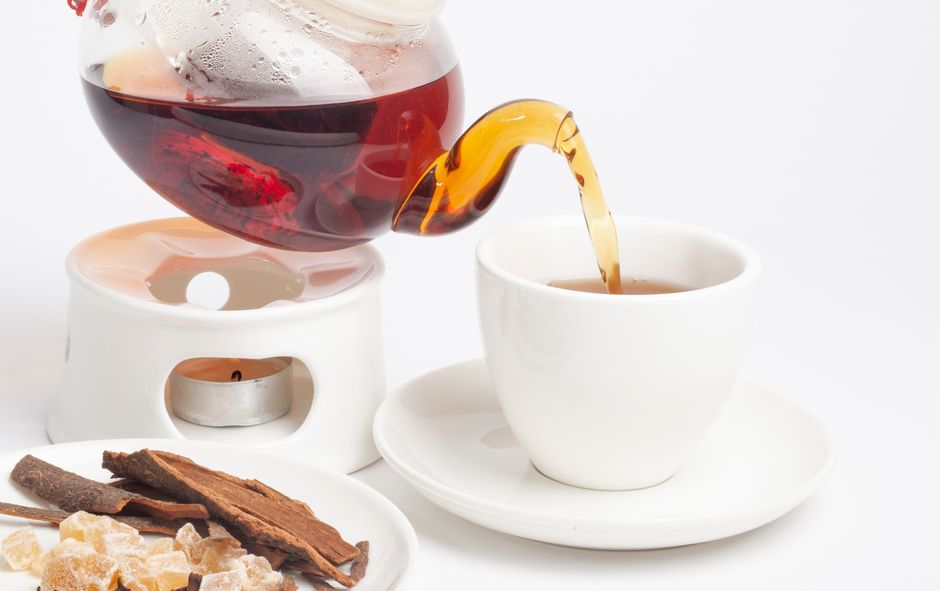
Herbs such as green tea, hibiscus, and fennel are traditionally known for their diuretic effect. Brewing these herbs in hot water and drinking them at certain times of day is one of the most commonly chosen natural methods for reducing water retention.
6. Sleep Routine
Irregular sleep can indirectly increase water retention by affecting hormone balance. Going to bed and waking up around the same time every night helps the systems that regulate the body's fluid balance work more predictably.
7. Elevating Your Legs
Elevating your legs above heart level for 15-20 minutes before bed in the evening makes it easier for fluid that has accumulated in the legs during the day to flow back. It is a simple but often overlooked method.
Most People Get This Wrong
Some people think that the more they sweat, the more water they get rid of. But excessive sweating only causes fluid loss, it does not correct the body's tendency to retain water — in fact, if you become dehydrated, it can have the opposite effect. The body tries to hold on to more water to compensate for what it lost.
There is also the misconception that cutting fluid intake entirely is the solution. In reality, drinking less water pushes the body toward exactly what you are trying to avoid: retaining more water. Sources such as Mayo Clinic also highlight the importance of adequate fluid intake in their general information about water retention.
When Should You See a Doctor?
Water retention is usually temporary and harmless. But if the swelling is one-sided, increases suddenly and noticeably, is accompanied by shortness of breath, or lasts longer than a few days, you should consult a healthcare professional instead of trying to manage it on your own. You can take a closer look at our when to see a doctor for edema article.
Daily Support with Herbal Tea
Following all 7 methods above at once can feel overwhelming. If you want to add just one habit to your daily routine, a cup of herbal tea brewed in the morning and evening can be a good starting point. HerbaltoX Detox Teacan contribute to this routine with herbs like green tea, hibiscus, and fennel in its ingredients. We are not promising a miracle — we simply offer 13 herbs in a single cup, the rest is up to you.
Related Articles
If you want to explore the topic in more depth, you can also check out our articles on natural ways to reduce water retention, teas for water retention and, for those dealing with general bloating problems, our Tea and natural solutions for bloating guide.
Frequently Asked Questions (FAQ)
How many days does it take to remove excess water from the body?
It depends on the cause. Temporary swelling after a salty meal usually subsides within 1-2 days; drinking water regularly and moving more can shorten this period.
Does drinking less water help remove excess water?
No, it has the opposite effect. When the body perceives itself as dehydrated, it holds on to the water it has even more tightly. Drinking plenty of water is the first step required to remove the excess.
Which foods cause water retention in the body?
High-sodium foods such as processed foods, instant soups, pickles, chips, and fast food are among the main food groups that trigger water retention.
Does herbal tea help remove excess water from the body?
Herbs such as green tea, hibiscus, and fennel are traditionally known for their diuretic properties and can be added to a daily routine as support. However, they are not a treatment method on their own.
⚠️ This content is for general information purposes only and does not constitute medical advice. Please consult a healthcare professional for any health problems. HerbaltoX is an herbal supplement, not a medicine.
This content was prepared by the HerbaltoX Content Team and does not constitute medical advice.