Are Black Tea and Chamomile Tea Diuretics? A Comparison
Is black tea a diuretic, and does chamomile tea help with water retention? We compared both teas by caffeine, brewing and daily amount, find out now.
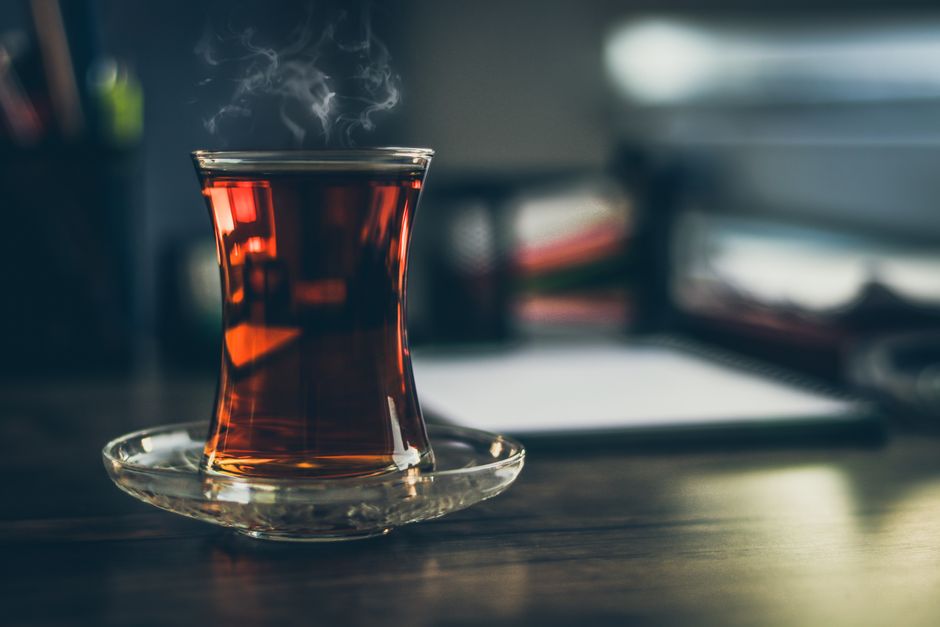
Black tea has a mild diuretic effect because of the caffeine it contains. However, when drunk in normal amounts such as a few glasses a day, it does not dehydrate the body and contributes to fluid needs in a way not very different from water. Chamomile tea, on the other hand, is caffeine-free and a strong diuretic effect has not been scientifically demonstrated.
Two glasses at breakfast, two in the afternoon, another pot in the evening with guests. In Turkey, tea is drunk like water. Then one day someone tells you that tea flushes water out of the body, and a question pops into your head: is all this tea dehydrating me? And does the chamomile tea you drink in the evening count too? Let us look at both in turn.
Table of Contents
Is Black Tea a Diuretic? The Short Answer
The answer to whether black tea is a diuretic actually depends on the amount. The diuretic effect of tea comes from the caffeine naturally found in the leaf. Caffeine can increase urine production in the kidneys briefly and mildly.
But a glass of tea is also a glass of fluid. As long as the water in the glass is more than the amount the caffeine flushes out, the net result for the body is a gain, not a loss. If you are curious about the general logic of diuretic drinks: our basic guide explaining what a diuretic effect means
Does Caffeine Make You Urinate? The Real Story
Caffeine can slightly increase urine volume by affecting the filtration rate of the kidneys and the reabsorption of salt and water. This effect is most noticeable in people who are not used to caffeine and when a high dose is taken at once.
In people who drink tea or coffee every day, the body partly gets used to caffeine and the diuretic effect weakens. Sources generally state that caffeine intake above 500 milligrams a day may affect fluid balance. A cup of black tea contains about 40-70 milligrams of caffeine, depending on brewing time.
So the 3-4 glasses of tea drunk on an ordinary day stay well below this limit. For the general effects and pharmacology of caffeine: the Wikipedia entry on caffeine
Does Black Tea Dehydrate the Body? What Does Research Say?
One of the most cited studies on this topic is a randomised controlled trial published in the British Journal of Nutrition in 2011. In the study, 21 healthy male volunteers drank 4 or 6 mugs of black tea or the same amount of boiled water over one day.
The result is clear. No significant difference was found between tea and water in blood and urine measurements. The researchers concluded that black tea drunk in these amounts has a similar effect to water in maintaining the body's fluid balance. For the study abstract: the PubMed record of the black tea and hydration study
Of course, this does not mean tea should completely replace water. But the fear that the tea you drink all day dehydrates you has little scientific backing.
Strong Tea or Light Tea? How Many Glasses a Day?
The Turkish way of drinking tea is a little different from the mug of tea in foreign studies. Here tea is steeped for a long time in a teapot and drunk from small tulip-shaped glasses. This changes the caffeine calculation in two ways:
The longer the steeping time and the stronger the brew, the more caffeine there is in the glass. A light amber tea and a very strong tea are not the same thing.
A tulip-shaped tea glass holds about 100 millilitres. So 6 glasses of Turkish tea may equal 2-3 mugs of tea in volume.
Drinking light tea is the easiest way to reduce both the caffeine and the bitterness of tea. Just use less brew and more water.
For healthy adults, 4-6 glasses of light or medium-strength tea a day is generally considered reasonable. If you drink more than that and also have coffee, cola or energy drinks, it may be a good idea to calculate your total daily caffeine once. Our article on how tea and coffee interact with some medications: our notes on caffeinated drinks and drug interactions
Is Chamomile Tea a Diuretic?
Chamomile (Matricaria chamomilla) tea is naturally caffeine-free. That is why the caffeine-related diuretic effect of black tea does not exist in chamomile. In traditional use, chamomile is associated more with relaxation, calming down before sleep and digestive comfort.
There is no strong human study showing that chamomile tea markedly increases urine volume. A small study found that the levels of some compounds changed in the urine of volunteers who drank chamomile tea, but this does not mean that urine volume increased.
If you feel the need to go to the toilet more often after drinking chamomile tea, the most likely reason is not the tea itself but the amount of fluid you drank. A big mug of chamomile tea in the evening may wake you up at night. NCCIH, part of the US National Institutes of Health, summarises the effects of chamomile in humans here: the NCCIH chamomile fact sheet
Black Tea and Chamomile Tea Side by Side
When you compare the two teas under the same headings, the picture becomes clearer:
Caffeine: black tea has about 40-70 milligrams per cup, chamomile tea has none.
Diuretic effect: mild and caffeine-related in black tea, not scientifically demonstrated in chamomile tea.
Contribution to fluid balance: in normal amounts, both contribute to daily fluid intake.
Best time: black tea is more often chosen during the day and in the afternoon, chamomile tea in the evening.
Point to watch: with black tea, reduced iron absorption when drunk with meals; with chamomile, the risk of allergy to the daisy family.
In short, if you are looking for a tea for the feeling of water retention, neither black tea nor chamomile tea stands out. The real place of these two teas is enjoyment and daily routine.
Are Herbal Teas Diuretic in General?
Not all herbal teas are the same. Some are traditionally considered mildly diuretic, while others have no such reputation. For example, peppermint and chamomile are weak in this respect, while plants such as dandelion leaf and parsley are mentioned more often in traditional sources.
Caffeinated herbal teas such as green tea and mate work in a similar way to black tea: a mild effect in proportion to the amount of caffeine. To see how different plants differ in this respect: our list comparing teas known as diuretics
Whichever tea you choose, the main factors behind water retention are often salt, inactivity and not drinking enough water. Our article covering these causes one by one: practical steps to reduce excess water in the body
What Most People Get Wrong
The most common misconception is this: the idea that if you drink tea you do not need to drink water separately, or the opposite, that you need an extra glass of water for every glass of tea. Both are exaggerations. Tea contributes to fluid needs, but it does not have to replace water completely either.
The second misconception is mistaking the drop on the scale after a diuretic drink for weight loss. The small difference seen after drinking a lot of tea in a day is largely water and comes back with fluid intake. Our article explaining the possible consequences of overconsuming diuretic drinks: what to watch out for when overconsuming diuretic drinks
Who Should Be Careful?
Tea and chamomile are among the most ordinary drinks in our kitchens, but in some situations moderation is needed. In the following cases, do not increase the amount without consulting your doctor:
If you are pregnant or breastfeeding: limiting caffeine intake is recommended, and consult your doctor first about chamomile as well.
If you have iron deficiency: it may be better to drink black tea not with meals but at least one hour after eating.
If you are allergic to plants such as chamomile, dandelion, chrysanthemum or marigold: avoid chamomile tea.
If you take blood thinners, sedatives or diuretic medication.
If you have heart rhythm disorders, hypertension, gastritis, an ulcer or a kidney condition.
Swelling in the legs or ankles that starts suddenly, affects one side, is painful or comes with shortness of breath should not be brushed off with a tea. In this case, seek medical care without delay. Our article summarising which symptoms require an examination: our guide to warning signs that come with edema
For Those Who Prefer a Ready-Made Blend
Let us be open: HerbaltoX Detox Mixed Herbal Tea does not contain black tea or chamomile. This article was not written to promote a product but to answer questions about these two teas.
The blend contains two plants with caffeine: green tea and mate tea. That is why HerbaltoX is not a completely caffeine-free tea. If you are sensitive to caffeine, it is important to know this. The full blend consists of green tea, mate tea, hibiscus, fennel, ginger, cinnamon (Ceylon), chia, konjac, spirulina, lime, stevia, caraway seed and senna. It is in the herbal support category and is not a medicine.
2 sachets a day are recommended: 30 minutes before breakfast and 30 minutes after dinner. One sachet is added to hot water, steeped for 3-5 minutes and strained. If you would like to look at the product details: the HerbaltoX herbal tea product page
If you want to get to know the herbs in the blend one by one: our guide introducing each of the 13 ingredients
Frequently Asked Questions (FAQ)
Does black tea make you urinate?
It has a mild diuretic effect because of its caffeine. However, it has been shown not to dehydrate the body when drunk in normal amounts such as a few glasses a day.
Does chamomile tea make you urinate?
Chamomile tea is caffeine-free and there is no strong human study showing that it markedly increases urine volume. The need to go to the toilet often usually comes from the amount of fluid drunk.
Can tea replace water?
Tea drunk in normal amounts contributes to daily fluid intake. Still, continuing to drink plain water during the day is the most balanced approach.
How many glasses of black tea can you drink a day?
For healthy adults, 4-6 glasses of light or medium-strength tea a day is generally considered reasonable. If you are pregnant, have a heart condition or take regular medication, consult your doctor.
Does chamomile tea reduce edema?
There is no scientific evidence that chamomile tea reduces edema. For persistent or suddenly starting swelling, you need to see a healthcare professional.
Related Articles
This content was prepared by the HerbaltoX Content Team and does not constitute medical advice.
⚠️ This content is for general information purposes only and does not constitute medical advice. Please consult a healthcare professional for any health problems. HerbaltoX is an herbal supplement, not a medicine.