Foods That Help With Bloating: 8 Stomach-Soothing Picks
Which foods help with bloating? The 8 best soothing foods, what to avoid and a sample daily plan are right here, discover them now!

Foods that help with bloating include ginger, fennel, cucumber, banana, yogurt, zucchini, papaya and mint. What they have in common is that they are easy on digestion and gentle on the stomach. To ease that tight feeling in your belly, how fast you eat matters just as much as what you eat.
Does the button on your trousers start bothering you after lunch? If your stomach is flat in the morning but swollen by evening, that scene is familiar to many. The good news: a few small changes on your plate often make a noticeable difference. We will go through which foods help and which ones make things worse.
Table of Contents
What Causes Abdominal Bloating?
Bloating usually comes from gas building up in the intestines or from the body holding on to extra water. Air swallowed while eating quickly, a salty dinner, irregular meal times and long hours spent sitting all feed into this.
Some foods ferment more in the gut and increase gas production. Others do the opposite and make digestion lighter. Knowing the difference is the most practical way to reduce that evening tightness. You can also take a look at our broader piece on Tea and natural solutions for bloating article.
8 Foods That Help With Bloating
The foods below are traditionally associated with digestive comfort and are easy to find in any kitchen. You do not need to try them all at once; add a few to your routine and watch what changes.
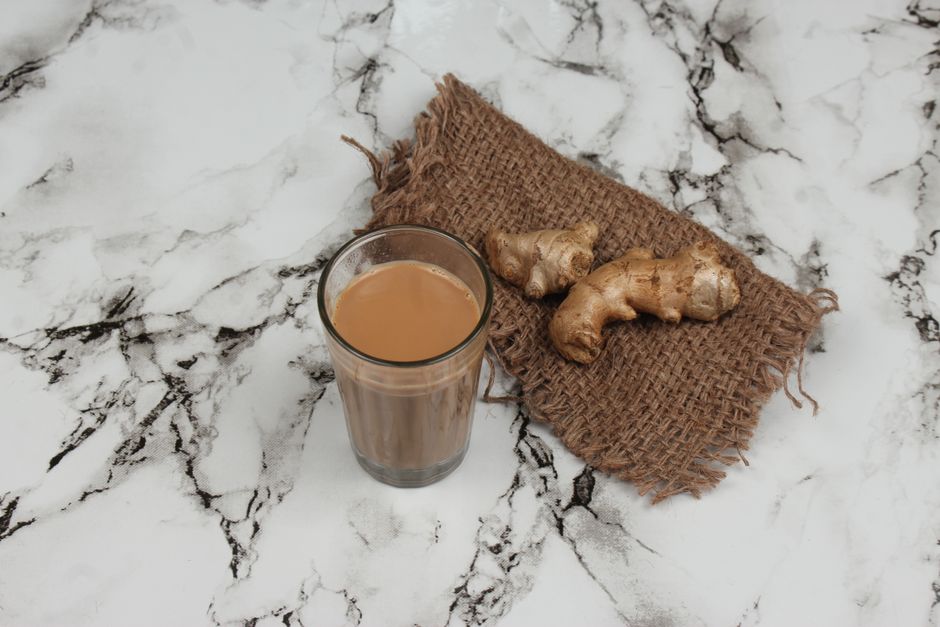
Ginger: Used in traditional medicine for digestive support for centuries. Add freshly grated ginger to hot water and drink it after meals.
Fennel: A classic in Turkish cuisine. Chewing or steeping the seeds is a common habit against that heavy feeling after a meal.
Cucumber: High in water, low in calories. A few slices added to your plate after a salty meal help restore balance.
Banana: A fruit rich in potassium. Since potassium plays a role in sodium balance, it is a good choice on saltier days.
Yogurt: Its naturally fermented structure can contribute to gut flora. Go for the plain, unsweetened kind.
Mint: Known for its refreshing aroma and soothing character. A pot of mint infusion is enough for a lighter feeling after dinner.
Zucchini: It contains fiber without straining digestion. Boiled or baked zucchini is a light stand-in for heavier dishes.
Papaya and pineapple: Both contain digestive enzymes. If they are hard to find, in-season melon and watermelon offer a similar lightness.
Do not treat this list as a fixed prescription. Everyone's digestive system reacts differently, and keeping notes for a week will give you your own map.
Which Foods Make Bloating Worse?
Knowing what helps matters, but so does knowing what makes it worse. You do not have to cut these out completely; just review the amount and the timing.
Carbonated drinks: The carbon dioxide inside carries gas straight to your stomach. It is one of the quickest triggers to notice.
Too much salt: Instant soups, pickles, deli meats and crisps can increase water retention.
Dried legumes: Nutritious, but they ferment heavily in the gut. Soaking them overnight and changing the water reduces the effect.
Chewing gum: You swallow air without noticing while chewing. It is an overlooked habit for anyone dealing with bloating.
Sugar alcohols: Sorbitol and mannitol in sugar-free products can cause gut discomfort. Reading the labels is enough.
How fast you eat is at least as decisive as the menu itself. General information on bloating frequently points out that eating quickly increases the amount of air you swallow.
Most People Get This Part Wrong
The first solution that comes to mind when you feel bloated is usually eating less. But skipping meals often works against you. Going hungry for a long stretch and then quickly eating a large portion puts sudden pressure on your stomach.
The second common misconception is about fiber. More fiber is not always better. If you increase your fiber intake all at once, your gut cannot adapt and gas may increase in the first days. A gradual shift and enough water make that transition far more comfortable.
A Sample Day for People Who Feel Bloated
Let us bring the theory down to the plate. The plan below is not a diet, just an example of how balance can look.
Morning: Plain yogurt, a handful of oats and sliced banana. A warm glass of water on the side.
Snack: A few slices of cucumber and a small amount of walnuts.
Lunch: Grilled chicken or fish with boiled zucchini and greens. Go easy on the salt.
Afternoon: A cup of a warm mint or fennel infusion.
Evening: A light, vegetable-focused plate, eaten slowly and chewed well.
After the meal: A short fifteen-minute walk. This is the easiest and most skipped item on the list.
If You Are Looking for Herbal Support
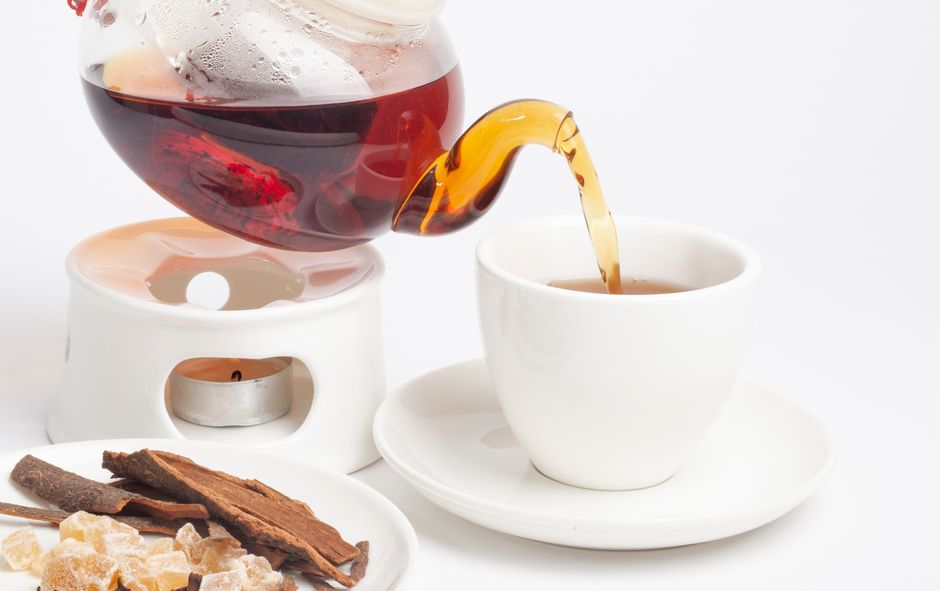
Steeping separate herbs every evening can get tiring over time. Ready-made blends that bring together herbs like ginger, fennel, cinnamon and green tea make this easier. HerbaltoX Detox Mixed Herbal Tea is used as 2 sachets a day: 30 minutes before breakfast and 30 minutes after dinner. Add to hot water, steep for 3-5 minutes, strain and drink.
If you are pregnant or breastfeeding, take medication regularly, or have a condition involving the liver, kidneys, heart, blood pressure, gastritis or ulcers, consult your doctor before starting any herbal product.
Related Articles
For Those Looking for Tea for Bloating: The 7 Most Effective Natural Solutions
Teas That Help With Bloating: Expert Tips and Natural Solutions
Frequently Asked Questions (FAQ)
What relieves bloating the fastest?
A short walk and a warm herbal tea are most people's first choice. Ginger, fennel and mint are the herbs traditionally reached for most often.
Which fruits are best when you feel bloated?
Banana, papaya, pineapple and in-season melon are usually tolerated more easily. Under-ripe pears and dried fruit can increase gas in some people.
Does yogurt help with bloating?
Plain, unsweetened yogurt can contribute to gut flora. If you are sensitive to lactose, strained or lactose-free options may feel easier.
How long does bloating last?
It usually eases within a few hours. Bloating that lasts for days or comes with pain or weight change should be checked by a healthcare professional.
Does drinking water increase bloating?
On the contrary, drinking enough water can help reduce the body's tendency to hold water. Spreading it through the day feels better than drinking a lot at once.
⚠️ This content is for general information purposes only and does not constitute medical advice. Please consult a healthcare professional for any health problems. HerbaltoX is an herbal supplement, not a medicine.
This content was prepared by the HerbaltoX Content Team and does not constitute medical advice.