Fast-Acting Teas for Water Retention: A Realistic Look
Which teas are known as fast-acting for water retention, and what do doctors suggest first? Discover 6 options from hibiscus to green tea and what to expect.
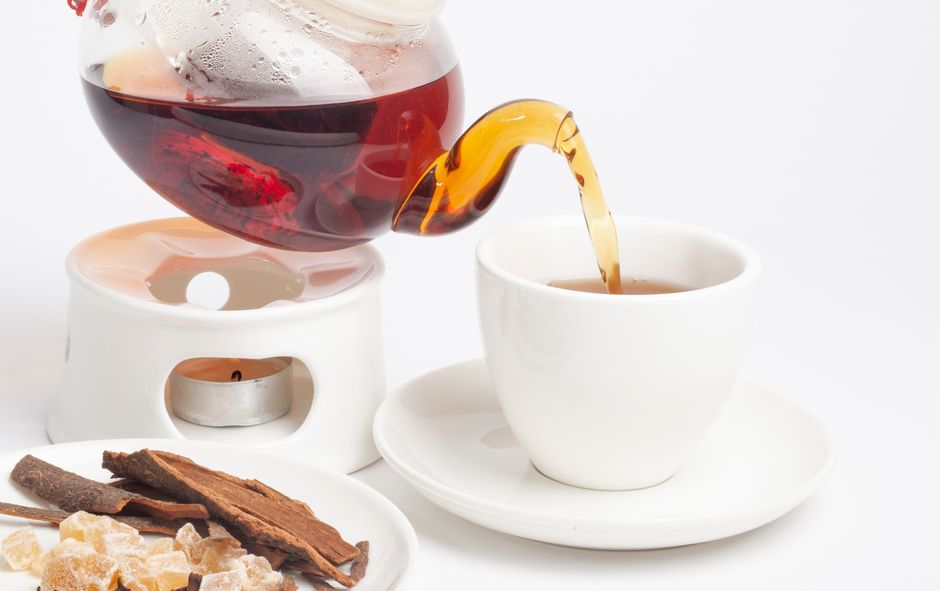
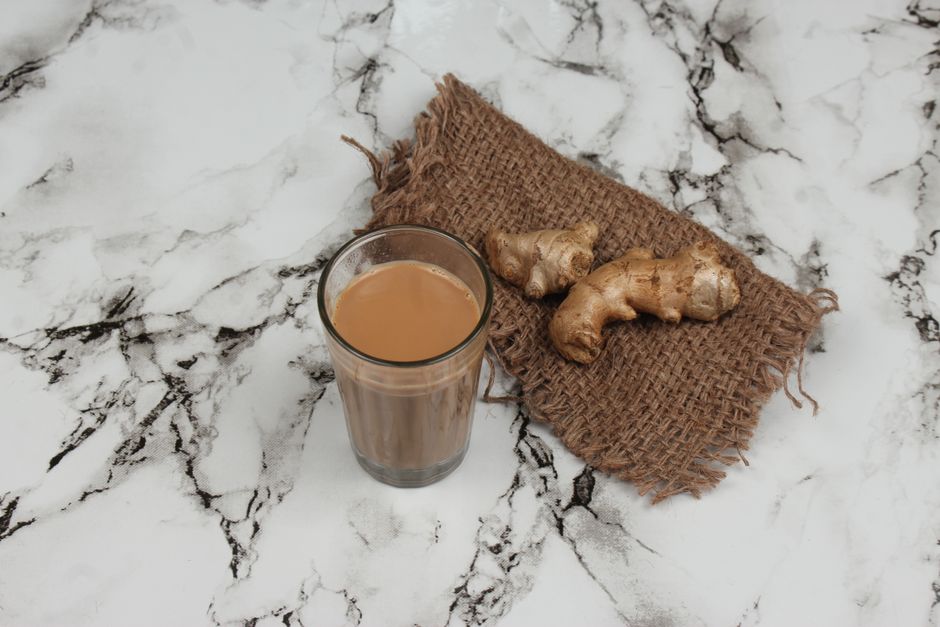
The teas most often named as fast-acting for water retention are hibiscus, green tea, dandelion, parsley, nettle and cherry stem. These teas may increase urination within a few hours, but their effect is mild and temporary. With swelling that keeps coming back, the first step is not choosing a tea but finding the cause.
Saturday evening: pickles, cheese and a few crisps. On Sunday morning your ring will not come off and your sock has left a mark on your ankle. And there is a dinner invitation that evening.
That is the moment you type into your phone: which tea works fastest? There is an honest answer, but it is not a one-word answer. We will go through what each tea does, what fast actually means here, and what doctors look at first.
Table of Contents
Which Teas Are Called Fast-Acting for Water Retention?
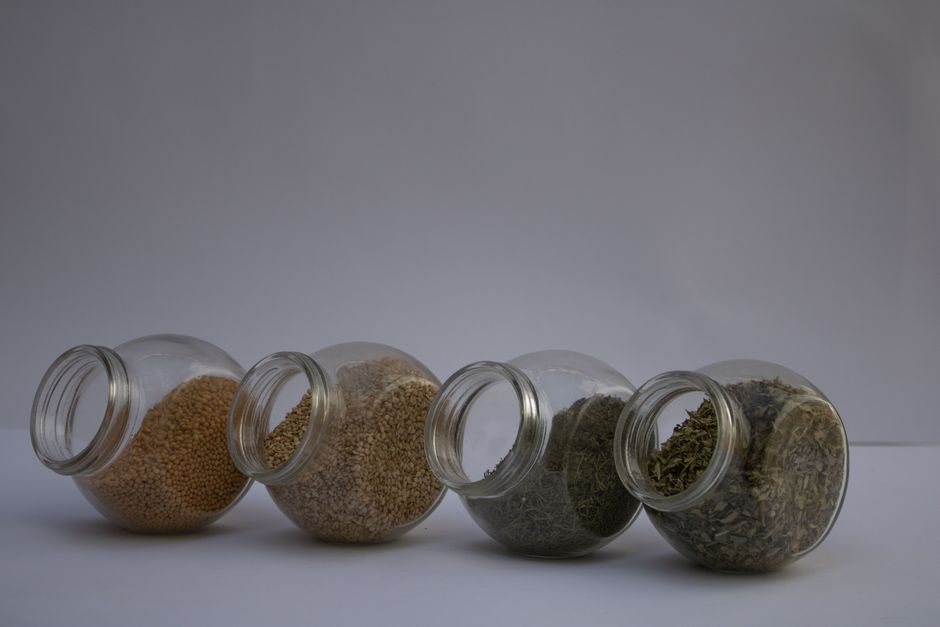
The six teas below are known as diuretics in traditional use. We also noted how strong the evidence is and who needs to be careful, because most lists skip those two columns.
Tea | Why it is mentioned | State of the evidence | Who should be careful |
|---|---|---|---|
Hibiscus | Tart, caffeine-free, taken with plenty of fluid | Human studies focus mostly on blood pressure | People on blood pressure medication |
Green tea | Contains a little caffeine | The effect of caffeine is mild and fades further in regular drinkers | People sensitive to caffeine, evening hours |
Dandelion | The best-known folk diuretic | Only one small human study | People allergic to the daisy family |
Parsley | Always at hand in the kitchen | Data come mainly from animal studies | Pregnant women, people with kidney conditions |
Nettle | A traditional spring tea | Limited data in humans | People on blood pressure or diabetes medication |
Cherry stem | A recipe handed down through generations in Anatolia | Almost no human studies | People on regular medication |
Look at the third column of the table once more. None of the rows says strong evidence. That does not mean these teas do nothing, it only shows that expectations need to be set in the right place. We covered the individual properties of these herbs in our article on teas for water retention .
Hibiscus and Green Tea: The Easiest Pair to Find
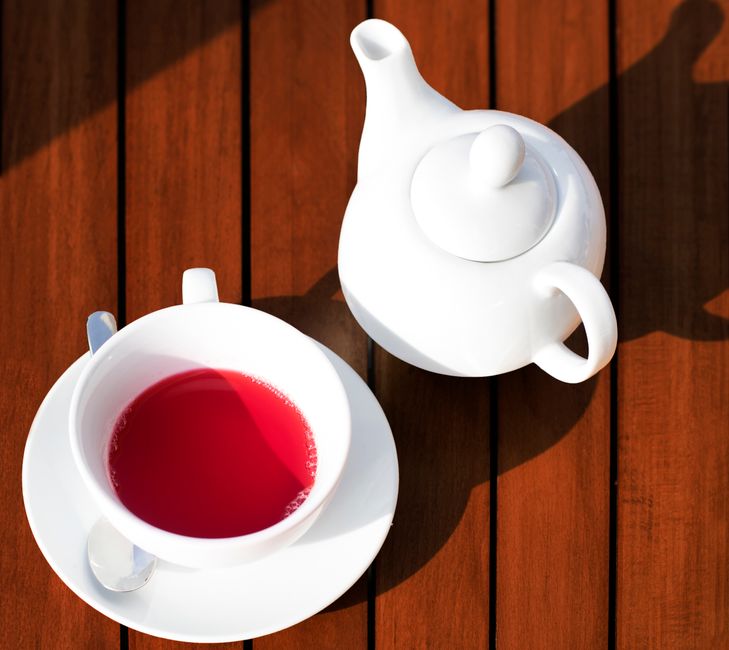
Hibiscus is caffeine-free, can be had cold, and its tart taste makes it easy to finish a jug without adding sugar. The diuretic side of green tea comes from the caffeine in it. This effect is mild, and the body gets used to it in someone who has tea or coffee every day.
Dandelion, Parsley, Nettle and Cherry Stem
The human data we have on dandelion come down to one small study with 17 volunteers. The US National Center for Complementary and Integrative Health also states on its information page on dandelion that there is no compelling scientific evidence supporting the use of the herb for any health condition. We looked at this in detail in our article is dandelion tea a diuretic .
The picture is similar for parsley, nettle and cherry stem: the tradition is strong, the human research is weak. All three are kept to 1 or 2 cups a day. Parsley tea is not taken during pregnancy.
What Does Fast Mean? How Many Hours Until You Notice?
The effect of a diuretic tea may be noticed as more frequent trips to the toilet in the few hours after drinking it. That is all. The ring does not slide off your finger the moment you finish the cup.
The puffiness after a salty dinner eases on its own within a day or two in most healthy people. If you drink water and cut back on salt, that time may get shorter. The part tea plays here is getting two or three extra glasses of fluid into you.
One more thing: the difference you see on the scale is water, not fat. It comes back with the next salty meal. That is why treating a water-retention tea as a weight-loss tool ends in disappointment.
What Do Doctors Suggest First for Swelling?
There is a phrase that keeps showing up in searches: the water-retention tea doctors recommend. To be honest, the first thing doctors suggest is usually not a tea. MedlinePlus, the public resource of the US National Library of Medicine, lists the following on its page on edema as things a health care provider may recommend to keep swelling down:
Keeping your legs raised when sitting.
Wearing support stockings.
Limiting how much salt you eat.
Taking a diuretic medicine if needed. Only a doctor makes that decision.
There is no herbal tea on the list. Tea does not replace these steps, at most it keeps them company. The same source counts heart, kidney and liver conditions and some medicines among the causes of edema, alongside too much salt and standing for long periods in warm weather.
If you have painful, red swelling in one leg, shortness of breath, pressure in the chest or swelling that grows quickly over a few days, forget about brewing tea. These symptoms need medical assessment without delay. We listed the details in our guide on when to see a doctor for edema .
A Realistic 24-Hour Plan for Fast-Acting Teas for Water Retention
For the day after a salty evening, here is a simple sequence that does not leave the tea on its own:
Morning: a large glass of water when you wake up, followed by a cup of green tea or hibiscus.
Breakfast: skip salty choices such as pickles, cold cuts and olives for today. Have cucumber, tomato and egg instead.
Midday: a 20-minute walk. When the calf muscles work, it becomes easier for fluid pooled in the legs to move back up.
Afternoon: the second cup. Make it a caffeine-free option.
Evening: raise your legs above heart level for 15 minutes. Do not drink diuretic tea after 6 pm, otherwise your sleep will be interrupted at night.
Through the day: 1.5 to 2 litres of water in total. Drinking too little can lead the body to hold on more tightly to the water it has.
We went into timing and amounts in more depth in our article when to drink tea for water retention .
Most People Get This Wrong
The more I drink, the faster it goes. This is the most common misconception. Five or six cups of diuretic tea a day do not send the swelling away faster, they only carry off minerals such as potassium and sodium along with the water.
The result can be dizziness, weakness and muscle cramps. If you take a diuretic medicine, blood pressure medication or lithium, do not start these teas without asking your doctor. We covered the risks in our article on side effects of diuretic tea .
The second misconception: swelling is always harmless. Swelling that has not gone away for weeks or returns every evening is not a matter for tea. A doctor needs to assess the underlying cause.
Brewing One by One or a Ready Blend?
Weighing out herbs every morning is not for everyone. If you are looking for a ready blend, HerbaltoX Detox Tea is one option. From the list above, green tea and hibiscus are part of the 13-ingredient blend, alongside mate, ginger and fennel. Dandelion, parsley, nettle and cherry stem are not in the blend.
It is used as 2 sachets a day: 30 minutes before breakfast and 30 minutes after dinner, steeped in hot water for 3 to 5 minutes. As the blend also contains a small amount of senna, the recommended amount should not be exceeded.
HerbaltoX is not a medicine, it is in the herbal supplement category and it does not treat edema. If you are pregnant, breastfeeding, take regular medication or have a liver, kidney or heart condition, high blood pressure, gastritis or an ulcer, talk to your doctor before you start.
Related Articles
Frequently Asked Questions (FAQ)
Which tea works fastest for water retention?
There is no reliable human study comparing teas with each other for speed. The effect of caffeinated green tea may be noticed within a few hours, but it is mild and fades in regular drinkers.
How many hours does a water-retention tea take to work?
The increase in how often you urinate is usually seen in the few hours after drinking. The change in how swollen you feel depends on the person, the cause of the swelling and how much salt and water you had that day.
How many cups of tea a day for water retention?
With diuretic herbal teas, 1 or 2 cups is a reasonable limit for most healthy adults. More does not give a better result, it raises the risk of losing minerals.
Does a water-retention tea make you lose weight?
No. Any difference on the scale is water loss, not fat loss, and it is temporary.
Can you drink herbal tea for swelling during pregnancy?
During pregnancy and breastfeeding, no herbal tea should be started without talking to a doctor. Swelling in pregnancy that starts suddenly or involves the face and hands should be reported to a doctor without delay.
⚠️ This content is for general information purposes only and does not constitute medical advice. Please consult a healthcare professional for any health problems. HerbaltoX is an herbal supplement, not a medicine.
This content was prepared by the HerbaltoX Content Team and does not constitute medical advice.