Which Fruits and Vegetables Help With Water Retention? 10 Options
Which fruits and vegetables help with water retention? Discover watermelon, cucumber, celery and more, learn how to eat them and add them to your routine today.
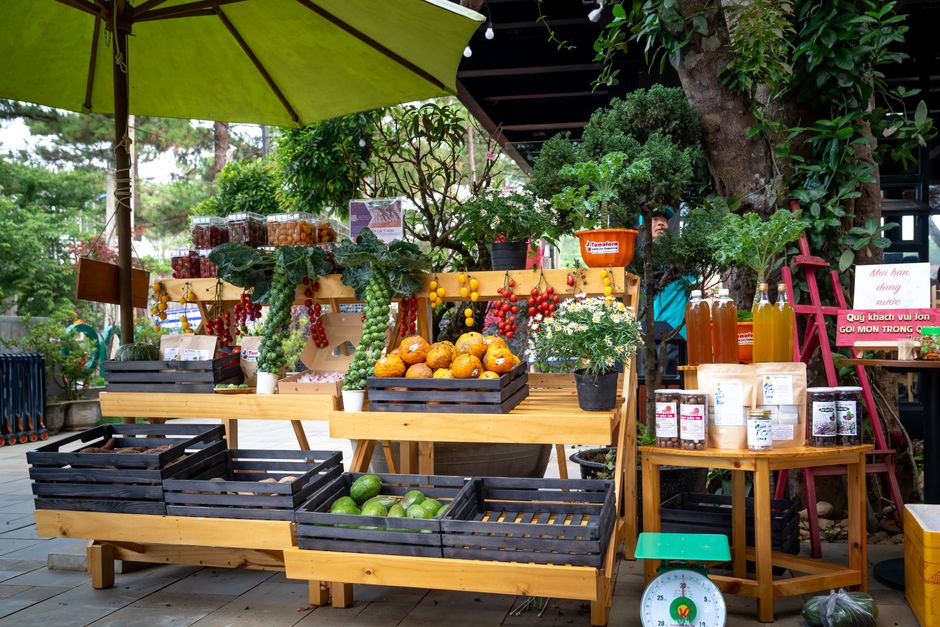
Fruits and vegetables for water retention are foods with a high water content and plenty of potassium. They can help support the body's fluid balance, but they are not a solution on their own. At the top of the list you will find: watermelon, pineapple, cucumber, celery and spinach.
You look in the mirror in the morning and your eyes are puffy. By evening your shoes feel tight. Before you rush to the shelves looking for a quick fix, take a look at your kitchen. Part of the answer may be right there.
In this article we cover 5 fruits and 5 vegetables, why they made the list, and how you can add them to your daily meals. A small note: if the swelling is persistent or one-sided, you should see a doctor rather than a food list.
Table of Contents
How Do Fruits and Vegetables for Water Retention Work?
Sodium and potassium largely manage the fluid balance in the body. Sodium holds on to water, while potassium helps restore balance. Since most fruits and vegetables contain both water and potassium, they can help support a balance that has been thrown off by salty eating.
For general information about potassium, you can take a look at the Wikipedia article on potassium . In short: they do not work like medicine, they simply improve the balance of your plate.
5 Water-Friendly Fruits
1. Watermelon
Watermelon is roughly 92 percent water. It feels light and refreshing, and it is a favorite for those who complain of puffiness in summer. A slice of watermelon can easily replace a salty snack.
2. Pineapple
Pineapple contains an enzyme called bromelain and is traditionally eaten after heavy meals. A fresh slice of pineapple is also a good answer to a sweet craving.
3. Banana
Banana is known as a potassium store. A medium banana covers a good share of your daily need. People with kidney conditions should ask their doctor about potassium intake first.
4. Strawberry
Strawberries are high in water and low in calories. They satisfy a sweet tooth and add fiber. They are very easy to add to yogurt or oats.
5. Apple
Apples provide fiber and water together. Eating them with the skin increases the fiber amount, which contributes to a regular gut routine.
5 Water-Friendly Vegetables
1. Cucumber
Cucumber is 95 percent water. Slicing it into your water is a simple fix for people who do not enjoy plain water. You can also snack on it by itself without adding it to a salad.
2. Celery
Celery is known in traditional diets for its watery structure. The raw stalk makes a nice snack, while the leaves suit soups and salads.
3. Spinach
Spinach contains potassium and magnesium. It can easily be added to omelets, soups or smoothies.
4. Asparagus
Asparagus is mentioned in traditional diets for its watery effect, thanks to the amino acid asparagine it contains. Boiling it and eating it with olive oil is enough.
5. Beetroot
Beetroot is rich in potassium. It can be grated into a salad. A reddish tint in your urine afterwards is normal, so do not worry.
Most People Get This Wrong
The problem is often not the fruit you eat, but the salt on the side of your plate. If you eat three slices of watermelon a day and pair them with chips and pickles, the puffy feeling will not budge. Adding fruit to the list does not work without cutting back on salt.
Another misconception is fruit juice. Squeezing fruit and drinking it removes the fiber and the feeling of fullness while putting the sugar front and center. Eating it whole is almost always the better choice.
How Do You Add These Foods to Your Daily Routine?
Put cucumber on the side at breakfast, and have a slice of watermelon or an apple as a snack. Add a bowl of spinach or celery soup to dinner. It is that simple.
The list has two more invisible items: drinking plenty of water and cutting down on salt. Without these two, even the best fruit and vegetable list falls short.
What Does a Sample Day Look Like?
Morning: oats, strawberries and a glass of water. Noon: a salad with plenty of cucumber and celery, plus a lightly salted main dish. Snack: a slice of watermelon or an apple. Evening: spinach soup and beetroot with olive oil. A warm herbal tea before bed.
This is not a plan, just an example. Adjust it to your own taste, the season and your budget. What matters is that at least one water-rich fruit or vegetable has a place on your plate at every meal. Taking the salt shaker off the table is at least half as helpful as the rest of this routine.
Support With Herbal Tea
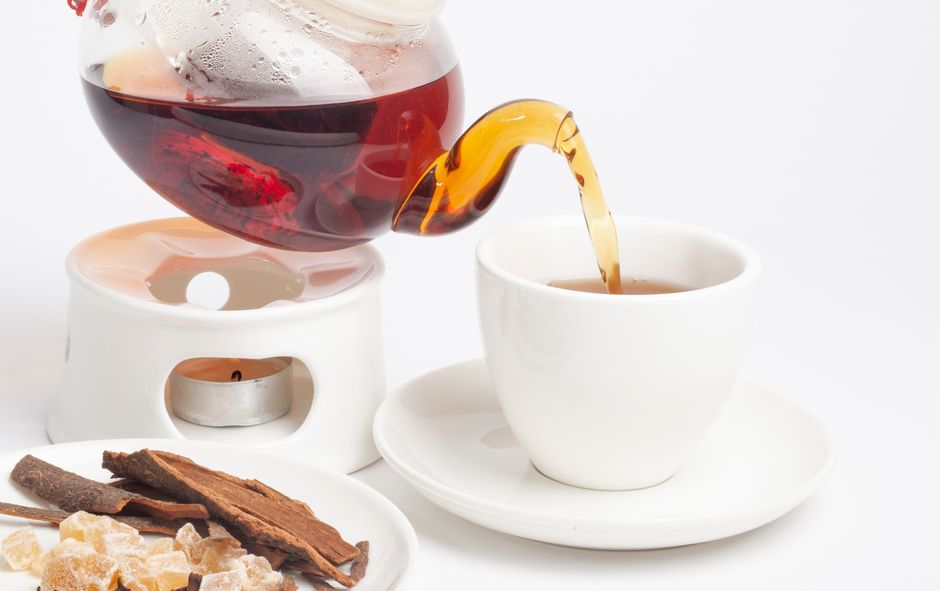
You may want to complete the changes on your plate by adding an herbal tea to your evening routine. HerbaltoX Detox Tea is a 13-herb blend that brings together traditional herbs such as ginger, fennel and hibiscus. It is prepared with 2 sachets a day, each brewed for 3 to 5 minutes. If you are pregnant, breastfeeding, have a chronic condition or take regular medication, talk to your doctor first.
When Should You See a Doctor?
If the swelling is in one leg, sudden, or comes with shortness of breath, do not rely on a food list. Go straight to a healthcare facility.
We have gathered which symptoms are a warning sign in our article when to see a doctor for edema .
Related Articles
Frequently Asked Questions (FAQ)
How much fruit and vegetables for water retention should you eat daily?
Five servings of fruit and vegetables a day is the general dietary recommendation. Picking a few options from the list within that is enough. There is no need to overload on a single food.
Is watermelon the best fruit for water retention?
It is mentioned often because of its high water content, but there is no single best option. Variety works better. Keep the portion moderate because of its sugar content.
Does fruit juice work for water retention?
Whole fruit is usually the better choice. Squeezed juice has less fiber and a higher sugar concentration. If you do drink it, use a small glass and only now and then.
Can people with kidney conditions follow this list?
Foods high in potassium, such as banana, spinach and beetroot, can cause problems for people with kidney conditions. Anyone in this group should talk to their doctor first.
⚠️ This content is for general information purposes only and does not constitute medical advice. Please consult a healthcare professional for any health problems. HerbaltoX is an herbal supplement, not a medicine.
This content was prepared by the HerbaltoX Content Team and does not constitute medical advice.