When to Drink Tea for Water Retention? Morning or Evening?
When to drink tea for water retention? Morning or evening, how many cups a day are enough? Learn the right timing and what to watch out for, read now.
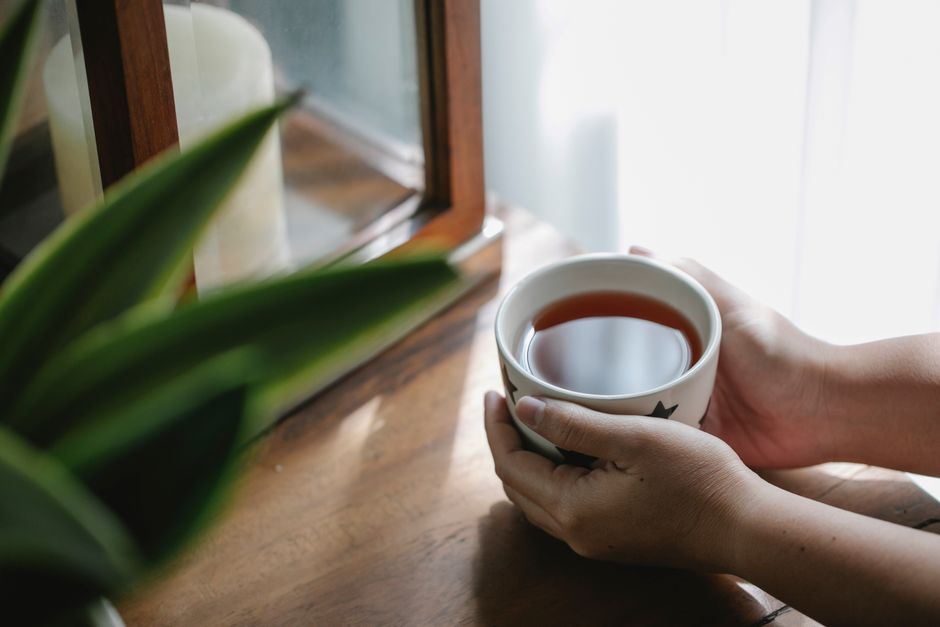
The short answer to when to drink tea for water retention: for most people during the day, especially in the morning and afternoon. Herbal teas drunk late in the evening can disturb sleep and increase how often you get up at night. The daily amount is usually kept at around 2-3 cups.
So morning or evening? Before a meal or after? And the big question: how many cups a day is too many? Let us go through it all in order, but first let us be clear about one thing. Herbal teas may support water balance, but they are not a medical treatment.
Table of Contents
When to Drink Tea for Water Retention? The Short Answer
There is no exact hour, but there is a useful framework. These three time windows make sense for most people:
Morning: with breakfast or right after it, as the day begins.
Afternoon: between 2 and 4 pm, instead of a snack.
Evening: after dinner, but at least 3-4 hours before bedtime.
None of the herbal teas solves water retention on its own. Timing only determines your comfort and routine. What really matters is your salt intake, your movement and your total water intake.
Morning or Evening: Which Makes More Sense?
Morning: Comfortable All Day
Morning is the most practical time for herbs known as diuretics. Going to the toilet during the day is no problem, and your sleep is not interrupted at night. Caffeinated herbs such as green tea and mate are also easier to consume in the morning.
Drinking a very strong tea on an empty stomach can cause stomach sensitivity in some people. If your stomach is sensitive, try the tea with a light breakfast or right after it. Finding the routine you feel comfortable with matters more than the hour.
To see which herbs stand out, take a look at this article: What Are Teas for Water Retention? The 7 Most Effective Herbal Teas
Evening: Watch the Hour
Drinking tea in the evening is not forbidden, but the hour matters. If caffeinated teas are not stopped 6-8 hours before bed, they can lighten your sleep. Caffeine-free herbs such as fennel and mint are a better choice for the evening.
There is also a practical problem: a cup of tea drunk right before bed can wake you once or twice during the night. A sleepless night also means more cravings for salty snacks the next day. So take your evening tea early.
If you are curious about the relationship between mint tea and water retention, see this article: Is Peppermint Tea a Diuretic? Its Effect on Water Retention
Before or After a Meal?
Instead of drinking tea together with a meal, it is generally better to spread it between meals. The tannins in tea can reduce the absorption of plant-based iron. If you have low iron, it is wise to drink tea at least an hour apart from meals.
Half an hour after a meal is a familiar and comfortable time on the digestive table. If you will drink it before a meal, leaving a gap of 20-30 minutes is enough. That way neither your feeling of fullness nor the taste of the tea is spoiled.
How Many Cups a Day Are Enough?
The general framework is 2-3 cups a day, that is 400-600 milliliters with 200-milliliter cups. More does not bring better results. It increases caffeine intake and can cause palpitations and stomach discomfort in some people.
An important point: herbal tea does not replace plain water. Your total fluid intake should be spread across the day. If someone with water retention cuts back on fluids, the body may hold on even more. So add tea alongside your water routine, not instead of it.
Excessive use of diuretic herbs can also bring up the electrolyte balance. For details: Diuretic Tea Side Effects: Electrolyte Balance and Who Should Be Careful
If you want to read about how diuretics work in general, you can look at this source: Wikipedia Diuretic page
A Sample Daily Plan
A sample daily plan could look like this:
08:00: 1 cup with breakfast or right after it.
11:00: Not tea, but a glass of water.
15:00: 1 cup in the afternoon instead of a snack.
19:30: 1 cup half an hour after dinner, choose a caffeine-free herb.
3-4 hours before bed: stop the tea, keep drinking water.
This plan is an example, not a prescription. If your working hours and sleep pattern are different, shift the times but keep the logic the same: spread it across the day, do not carry it into the night.
What Most People Get Wrong
Many people think a tea works better the more and the later you drink it. But the result can turn around: interrupted sleep, more cravings for salty snacks the next day, constant toilet trips. Drinking regularly and in moderation is usually easier to sustain than drinking intensely.
Water retention is also often confused with edema. Knowing the difference is important for understanding what tea can and cannot do: What Is the Difference Between Water Retention and Edema?
A Planned Routine: The 13-Herb Blend
If you want to make your herbal tea routine planned, using a single blend for morning and evening makes it easier. HerbaltoX Detox Tea is a herbal support product that brings 13 herbs together.
It contains green tea, mate tea, ginger, fennel, hibiscus, cinnamon (Ceylon), chia, konjac, spirulina, green lemon, stevia, caraway seed and senna. It is used as 2 sachets a day: 30 minutes before breakfast in the morning and 30 minutes after dinner in the evening. One sachet is added to hot water, steeped for 3-5 minutes and strained.
Since it also contains caffeine-carrying herbs such as green tea and mate, it is good to take the evening sachet well before bedtime. For usage details: When and How to Drink Detox Tea? A Guide to Proper Use
For product details: HerbaltoX Detox Tea
Who Should Consult a Doctor?
Pregnant or breastfeeding women, people who take regular medication (especially blood pressure and diuretic medication), people with kidney, liver or heart conditions, and those with hypertension, gastritis or ulcers should consult a doctor before starting a herbal tea routine.
Symptoms such as one-sided swelling in the legs, shortness of breath or rapid weight gain are not a tea matter. In that case, see a doctor without delay. For warning signs: When Should You See a Doctor for Edema? 7 Warning Signs
HerbaltoX is not a medicine, it is a herbal support product. For a general overview of bloating and similar complaints: For Those Looking for Tea for Bloating: The 7 Most Effective Natural Solutions
Frequently Asked Questions (FAQ)
Is tea for water retention drunk in the morning or evening?
For most people morning and afternoon are more suitable. If you will drink it in the evening, choose a caffeine-free herb and stop at least 3-4 hours before bed.
How many cups of tea for water retention should you drink a day?
2-3 cups are generally considered enough. More brings no extra benefit and can cause discomfort in terms of caffeine and electrolyte balance.
Can tea for water retention be drunk on an empty stomach?
It can be if you have no stomach sensitivity. If you do, it is more comfortable to drink it with a light breakfast or right after it.
How long does it take to notice the effect of tea for water retention?
It varies from person to person and no guarantee can be given. Tea should be seen as part of the general routine together with reducing salt, drinking enough water and movement.
Can tea for water retention be drunk every day?
In moderate amounts and for short periods it usually causes no problems. For long-term regular use, especially if you take medication, talk to your doctor first.
Related Articles
What Are Teas for Water Retention? The 7 Most Effective Herbal Teas
What Are Foods and Drinks for Water Retention? 10 Natural Options
How to Get Rid of Excess Water in the Body? 7 Natural Methods
This content was prepared by the HerbaltoX Content Team and does not constitute medical advice.
⚠️ This content is for general information purposes only and does not constitute medical advice. Please consult a healthcare professional for any health problems. HerbaltoX is an herbal supplement, not a medicine.