What Are Foods and Drinks for Water Retention? 10 Natural Options
Which foods and drinks help with water retention? Discover the 10 most effective natural options, from watermelon to green tea, and how to consume them correctly.
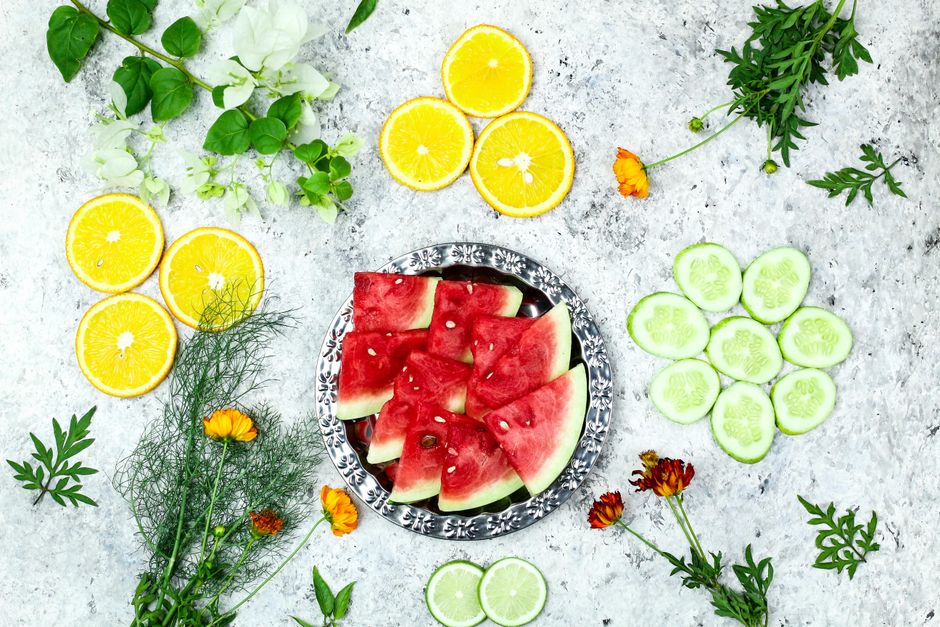
Foods that help with water retention include watermelon, cucumber, parsley, celery, melon, and banana — foods high in water and potassium. These foods may help remove excess fluid from the body by supporting kidney function and the fluid-salt balance. In this article we go through which foods and drinks work and when to consume them.
After dinner it's not your stomach that swells but your feet, and rings become hard to slide on your fingers. Drinking tea helps to some extent, but what's on your plate matters just as much as what's in your cup. In this article we go through both foods and drinks one by one, with how and when to consume them.
Table of Contents
How Do Foods for Water Retention Work?
Edema is a condition in which fluid builds up more than normal in the body's tissues. It can occur due to a salty diet, inactivity, standing for long periods, or the menstrual cycle. Potassium-rich foods may help remove excess fluid by supporting the body's sodium-water balance, while water-rich vegetables and fruits gently speed up kidney function.
These foods are not a treatment method. If water retention is caused by a thyroid, kidney, or heart problem, a dietary change alone will not resolve it. You can review the general medical background on how edema develops on Wikipedia If the swelling lasts longer than a few days or is accompanied by pain or redness, you should see a healthcare professional.
The 6 Most Effective Foods for Water Retention
1. Watermelon
Containing over 90 percent water, watermelon is one of the most practical options in summer. Its potassium content may contribute to fluid balance at the cellular level. Having a slice between meals is both refreshing and an alternative to a salty snack.
2. Cucumber
Cucumber also stands out among water-rich vegetables. Eaten with the skin on, it provides fiber as well. A few slices can be added to salads or water and consumed throughout the day.
3. Parsley
Parsley is frequently mentioned among herbs that support kidney function. It can be sprinkled over salads and meals or brewed as tea. Because of its strong flavor, even a small amount makes a difference.
4. Celery
Celery stalk is a low-calorie option rich in both water and potassium. It can be eaten raw as a snack or juiced together with other vegetables.
5. Melon
Like watermelon, melon is a fruit with high water content. Its potassium content may indirectly contribute to balancing sodium. It can be eaten at breakfast or between meals.
6. Banana
Banana tops the list of fruits known for their potassium content. Although its water content is lower than the other foods, it's included on this list for its contribution to the potassium-sodium balance.
What Drinks Help With Water Retention?
Alongside solid foods, some drinks can also support fluid balance:
Green tea - invigorates the metabolism with its mild caffeine and compounds
Hibiscus tea - one of the herbs thought to support the sodium-water balance
Ginger water - known for stimulating circulation
Dandelion tea - known as a kidney-supporting herb
These drinks should be thought of as an addition to water intake, not exceeding 2-3 cups a day. You can find detailed preparation and dosage tips in our guide to teas for water retention .
When and How to Consume Them
A slice of melon or watermelon added to breakfast is a good start to support fluid balance throughout the day. Adding cucumber and parsley alongside a salty main dish at dinner may help ease the bloating that builds up during the day. These foods should be thought of as an addition to water intake, not a replacement — expecting results from food alone without drinking at least 2 liters of water a day isn't realistic.
Reducing salty and processed foods makes it easier to notice the effect of these foods. Otherwise, eating watermelon while continuing to eat chips cancels itself out.
Most People Get This Wrong
Some people think they should cut back on water when eating these foods.
The opposite is true — when the body is dehydrated, it tends to hold onto fluid more tightly. Expecting results from food alone without drinking enough water can backfire.
Another misconception is that eating large amounts of a single food will bring faster results. A balanced, varied intake is always a safer and more sustainable approach than loading up on one food.
For Those Who Want More Than Food
Finding and preparing watermelon, celery, and parsley every day is a routine tied to the season and to shopping trips — watermelon is hard to find in winter, and chopping fresh parsley every day takes time. Similar to the approach we described earlier in our natural ways to reduce water retention article, there's a 13-herb blend option that includes green tea, hibiscus, and ginger among others. One sachet morning and evening — you get all these herbs together without depending on the season. You can check the details on our HerbaltoX Detox Tea page.
Frequently Asked Questions (FAQ)
Can foods for water retention be eaten every day?
Mild foods like watermelon, cucumber, and celery are suitable for a daily routine. They should be thought of as part of a balanced diet.
How long does it take for foods for water retention to work?
It varies from person to person; a noticeable sense of relief is usually felt after a few days of regular consumption. Expecting an instant result isn't realistic.
Do foods for water retention interact with medication?
People on chronic medication, especially diuretics or heart medication, should consult their doctor before increasing potassium-rich foods. Potassium balance can change with certain medications.
Can foods for water retention be eaten during pregnancy?
Foods like watermelon and cucumber are generally considered safe, but during pregnancy you should always plan your diet together with your doctor.
Related Articles
What Are Teas for Water Retention? The 7 Most Effective Herbal Teas
For Those Looking for Tea for Bloating: The 7 Most Effective Natural Solutions
⚠️ This content is for general information purposes only and does not constitute medical advice. Please consult a healthcare professional for any health problems. HerbaltoX is an herbal supplement, not a medicine.
This content was prepared by the HerbaltoX Content Team and does not constitute medical advice.