Is Peppermint Tea a Diuretic? Its Effect on Water Retention
Is peppermint tea a diuretic? Learn its effect on water retention, its limits, the right brewing steps, and what to watch for in plain language, discover now.
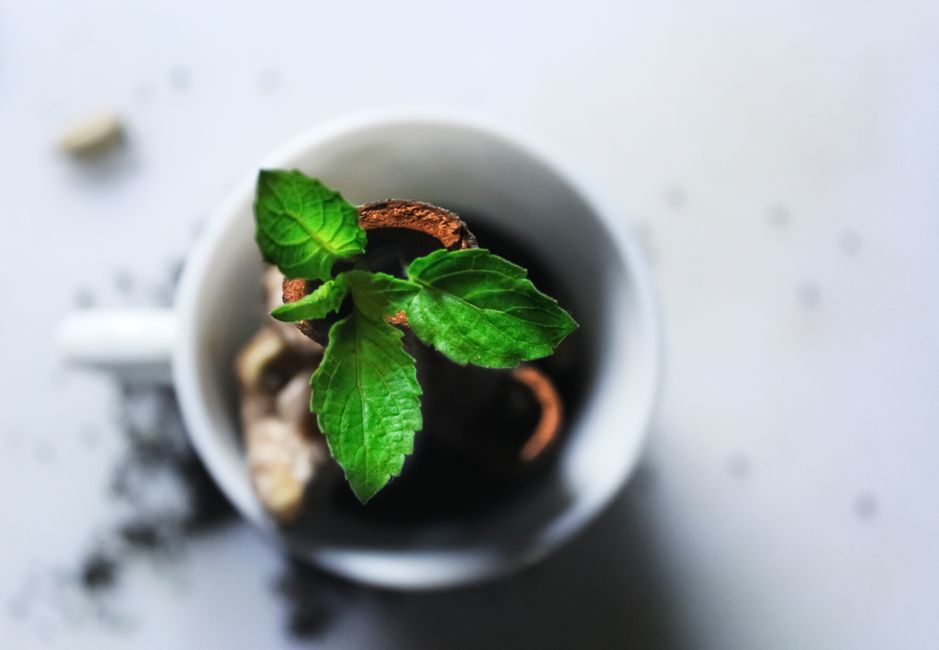
Peppermint tea is known as a mild diuretic in traditional use, but human studies that strongly support this are limited. In other words, peppermint tea does not work like a diuretic drug; at most it may offer a slight contribution. If you experience water retention, you should not expect it to be a solution on its own.
After dinner you drink a cup of peppermint tea, and then your trips to the toilet increase. Was it the mint, or just a cup of hot liquid? It could be both, and we will unpack that difference together in the rest of the article.
Table of Contents
Is Peppermint Tea a Diuretic? The Short Answer
Mint is often mentioned in folk lists of diuretic herbs. It appears with this trait at herbalists and in traditional herb books. However, there is no strong human data showing that peppermint tea meaningfully increases urine output.
The increase you notice mostly comes from the water itself. When you drink a cup of hot liquid, your bladder fills and you go to the toilet. That is the effect of volume, not of the herb.
If you are hearing the term diuretic for the first time, you can find a detailed overview in our what is diuretic tea article.
What Kind of Effect Does Peppermint Tea Have on the Body?
What stands out about mint is not its diuretic effect but its refreshing aroma. The menthol in it gives a cooling sensation in the mouth, and a hot cup can leave a comfortable feeling in the stomach area. This is also why it is traditionally drunk after meals.
Feeling less tension in your belly does not mean water retention has decreased. Bloating is related to gas and digestion, while edema is related to fluid that builds up in the tissues. Mixing these two up leads you to look for the wrong tea for the wrong reason.
To see the difference in simple terms, take a look at our The difference between water retention and edema article.
Is Peppermint Tea Good for Water Retention?
Water retention is common in hot weather, after standing for a long time, with a salty diet, or during hormonal fluctuations. On such days, drinking peppermint tea does not solve the picture but adds some freshness to your routine. What really makes the difference lies elsewhere.
Drinking enough water during the day helps the body maintain its fluid balance.
Reducing salt intake can bring noticeable relief for many people.
Moving around and not staying in the same position for long contributes to relief from the heavy feeling in the legs.
Adding vegetables and fruits that contain potassium to your plate is part of a balanced diet.
Peppermint tea is a low-risk, pleasant habit that can be added to this list. But expecting results from it alone would not be realistic.
If you are curious about the herbs more commonly mentioned in traditional use, take a look at our diuretic teas guide.
Is Peppermint Tea a Diuretic, or Are Other Herbs Stronger?
Peppermint
Mildly aromatic, refreshing, and suitable for drinking after meals. Its diuretic side is limited and debated.
Dandelion
Known for its diuretic side in traditional use. Its taste is bitterish and it may cause stomach discomfort in some people.
Green tea
Because it contains caffeine, it may slightly increase urine output. If drunk late in the evening, it may affect sleep.
Fennel
A seed widely used for digestive comfort. It pairs well with mint in terms of aroma.
In short, mint is the gentlest member of the list. Rather than expecting a strong result, enjoying the taste and rhythm of the cup is a more sensible approach.
How Is Peppermint Tea Brewed?
Put one teaspoon of dried mint leaves or 8-10 fresh leaves into the cup.
Pour boiled water over it half a minute after taking it off the stove.
Cover it and steep for 5-7 minutes; the lid keeps the menthol from evaporating.
Strain it and sip slowly until it cools to lukewarm.
Do not go over 2-3 cups a day.
Instead of adding sugar, you can try a slice of lemon or a piece of cinnamon stick.
Who Should Be Careful With Peppermint Tea?
In reflux, where stomach acid flows back up, mint may worsen the complaint in some people. If you are pregnant, breastfeeding, or taking medication regularly, consult your doctor before adding peppermint tea to your routine. Ask a healthcare professional before giving peppermint tea to small children as well.
You can read general information about the botanical properties of mint on the Wikipedia Peppermint page .
When Should You See a Doctor for Swelling?
If you have swelling that does not go away despite drinking peppermint tea, do not wait. If you notice sudden swelling in one leg, shortness of breath, chest pain, or marked swelling of the face and around the eyes, go to a healthcare facility. Edema can sometimes be a sign of heart, kidney, or vascular problems and should not be put off with tea.
For a list of warning signs, take a look at our when to see a doctor for edema article.
13 Herbs in One Box: A Practical Alternative
Peppermint tea is a pleasant complement, but expecting a big result would not be right. For those who want to bring several herbs together in a single routine, HerbaltoX Detox Tea combines 13 herbs, such as green tea, fennel, ginger, hibiscus, and mate tea, in measured sachets. It is used as 2 sachets a day: 30 minutes before breakfast in the morning and 30 minutes after dinner in the evening. Those who are pregnant, breastfeeding, taking medication regularly, or have a liver, kidney, or heart condition should consult a doctor before use. HerbaltoX is not a medicine, it is a herbal support product.
If bloating affects your daily life, our guide on Tea and natural solutions for bloating may also come in handy; for product details, see the HerbaltoX Detox Tea page.
Frequently Asked Questions (FAQ)
Is peppermint tea a diuretic?
It is traditionally considered a mild diuretic, but human studies that strongly show this are limited. The increase in how often you urinate mostly comes from the amount of fluid you drink.
Is peppermint tea good for excess water in the body?
It does not offer a solution on its own. Drinking water, reducing salt, and moving around are more decisive; peppermint tea can be a pleasant option that accompanies this routine.
How many cups of peppermint tea can be drunk a day?
In general, 2-3 cups a day is a moderate amount. If you have reflux, are pregnant, or take medication, ask your doctor first.
Does peppermint tea help you lose weight?
No. Peppermint tea does not cause fat loss; small fluctuations on the scale are temporary fluid changes.
Related Articles
This content was prepared by the HerbaltoX Content Team and does not constitute medical advice.
⚠️ This content is for general information purposes only and does not constitute medical advice. Please consult a healthcare professional for any health problems. HerbaltoX is an herbal supplement, not a medicine.