Menopause Bloating and Water Retention: Causes and What Helps
Why does bloating increase during menopause? Learn how hormonal change relates to water retention, 7 practical tips for your daily routine and when to see a doctor.

Menopause bloating is mostly linked to fluctuating levels of oestrogen and progesterone. These hormones affect the body fluid balance and the speed of digestion, so during the transition a tight belly and mild swelling in the hands and wrists can be noticed more often. Cutting back on salt, drinking water regularly throughout the day, increasing fibre slowly and moving every day can help ease the discomfort. If the bloating lasts a long time or is painful, the first step is to talk to a doctor.
The trousers you put on in the morning feel a little tight by late afternoon. Your ring leaves a mark on your finger, and your belly swells more than you expect after a meal. Many women in their mid forties recognise this picture and first suspect what they have been eating.
Food plays a part, but it is not the whole story. In this article we go through the role of hormones, seven habits that can make a difference and which signs should be shown to a specialist.
Table of Contents
What Causes Bloating During Menopause?
Menopause is the permanent end of the menstrual cycle and for most women it happens between the ages of 45 and 55. The years before it are called perimenopause, the transition phase. Symptoms fluctuate most during this transition, because hormone levels rise and fall instead of declining steadily.
The UK National Health Service also lists sleep problems, mood changes and weight gain around the stomach among the common symptoms on its page about the symptoms of menopause . The feeling of bloating is often experienced as part of the same picture.
How Do Oestrogen and Progesterone Affect Fluid Balance?
Oestrogen interacts with the systems that set how much water and sodium the body holds on to. When its level suddenly rises or drops, tissues can temporarily retain more water. A fall in progesterone, on the other hand, can change the rhythm of bowel movements and make gas move along more slowly.
Bloating from Gas or Water Retention?
The two are often confused. Bloating from gas usually gets worse after meals, makes the belly feel tight and noisy, and comes and goes during the day. Water retention is felt more in the hands, wrists and ankles and becomes more noticeable towards evening. Our guide explaining the difference in detail: what is the difference between water retention and oedema.
What Else Plays a Role Besides Hormones?
At this age metabolism slows down, muscle mass starts to decrease and exercise often gets pushed aside by everyday busyness. Poor sleep, stress and drinking less water because of night sweats can make things worse as well. So menopause bloating usually does not come from a single cause, but from several small changes piling up.
What Helps with Menopause Bloating? 7 Practical Tips
The tips below are not a treatment, they are ways of adapting your daily routine to the new conditions of menopause. Do not try to apply all of them at once. Start with two of them and check what has changed after a week.
Cut back on salt without noticing: instant soups, pickles, brined cheese and packaged snacks provide most of your daily sodium. Even tasting your food before adding salt at the table makes a difference.
Spread your water over the day: not drinking enough can lead the body to hold on to water more tightly. If you have night sweats, keeping a glass of water by the bed and taking small sips during the day makes it easier.
Increase fibre slowly: vegetables, legumes and whole grains support regular digestion. However, increasing fibre all at once can actually cause gas, so enlarge the portion step by step over a few weeks.
Walk for ten minutes after a meal: a short, gentle walk can help gas move through the bowel. If you sit for long periods during the day, getting up every hour for a few steps also eases the heavy feeling in your legs.
Limit fizzy drinks and chewing gum: carbonated drinks and frequent gum chewing bring extra air into the stomach. Choose plain water or an unsweetened herbal tea instead.
Make room for foods rich in potassium: bananas, apricots, spinach, beans and yoghurt contain potassium. Potassium is one of the minerals that play a role in the body sodium balance.
Take your sleep and stress seriously: a bad night can increase cravings for sweet and salty food the next day. Cutting screen time in the evening and choosing a caffeine free drink before bed are small but useful steps.
The article where we list one by one which foods increase the bloated feeling and which ones feel lighter: foods that help with bloating and foods to avoid.
A One-Week Observation Chart for Menopause Bloating
Knowing when the bloating gets worse is the easiest way to understand which habit works for you. Keeping simple notes like the ones below for a week gives both you and your doctor a clear picture.
Time of day | What to note down | What does this observation tell you? |
|---|---|---|
On waking, before breakfast | Do your ring and fingers feel tight? | Shows how fluid built up overnight carries into the morning |
One hour after lunch | Tightness and gas in the belly, and what the meal contained | Reveals the link between specific foods and bloating |
Late afternoon, after sitting for a long time | Sock marks on the ankles and heaviness in the legs | Shows the effect of inactivity on water retention |
Before bed, end of day review | How much water you drank during the day and how well you slept | Clarifies the relationship between water, sleep and bloating |
Most People Misread Bloating During Menopause
The most common mistake is to think a bloated belly simply means weight gain and to start skipping meals. Going hungry for a long time often leads to eating quickly and too much at the next meal, which increases gas and tightness. A daily swing of one or two kilos on the scales is usually water rather than fat.
The second misconception is believing that herbal products will balance hormonal change. No herbal tea stops menopause or replaces hormones. Herbal teas can go along with your routine as a warm, sugar free drinking habit, but decisions about hormones should always be made together with a gynaecologist.
Which Signs Mean You Should See a Doctor Without Waiting?
Bloating during menopause is usually harmless, but not every case of bloating is caused by hormones. In the following situations, see a doctor instead of looking for a solution on your own:
If the bloating has continued almost every day for more than three weeks
If it comes with abdominal pain, unintended weight loss, loss of appetite or feeling full very quickly
If you see blood in your stool or your bowel habits have clearly changed
If vaginal bleeding starts again after menopause
If there is swelling or redness in one leg, or shortness of breath (in that case go to the emergency department)
If you are wondering which department to go to for swelling in your legs, take a look at this guide: our article on which specialist to see for swollen legs.
A Cup to Go with Your Routine During Menopause
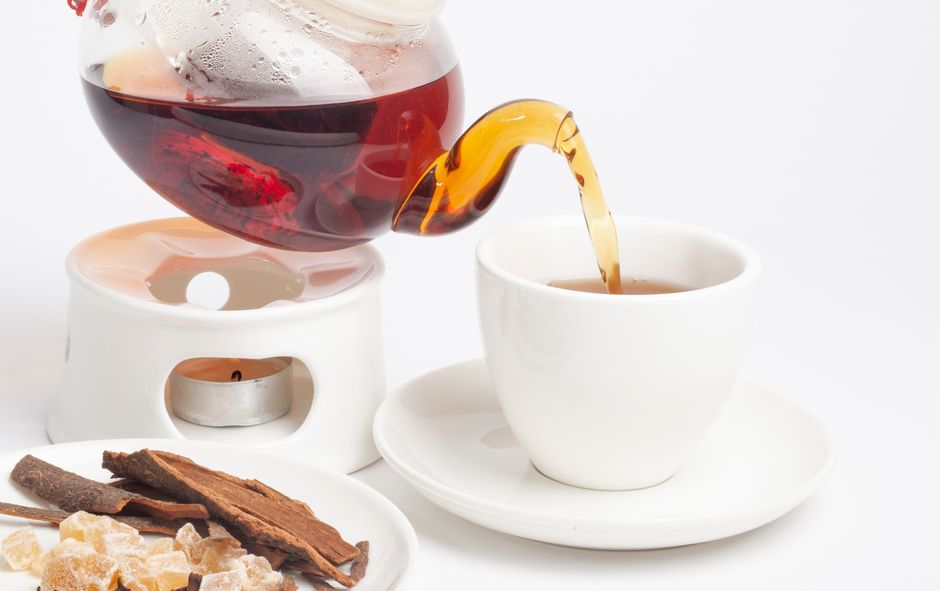
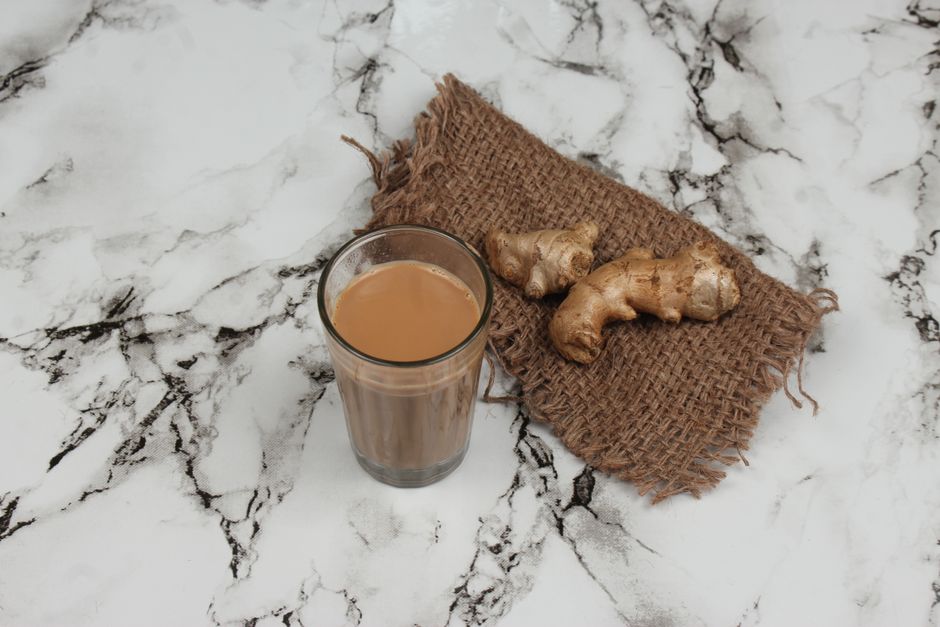
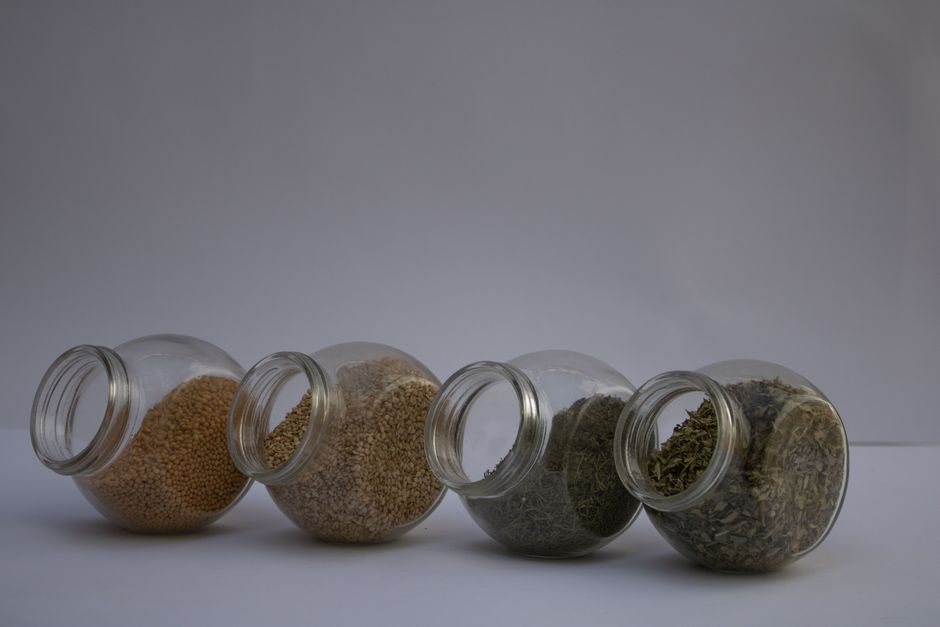
An unsweetened herbal tea can replace the habit of sweet drinks during the day and helps increase your fluid intake. If you do not want to brew several herbs separately, the HerbaltoX detox tea blend with 13 herbs one option. The blend contains green tea, mate, ginger, fennel, Ceylon cinnamon, hibiscus, chia, konjac, spirulina, lime, stevia, caraway seed and senna.
It is used as 2 sachets a day: 30 minutes before breakfast and 30 minutes after dinner, steeped in hot water for 3 to 5 minutes. Green tea and mate contain a little caffeine. If you notice that caffeine makes your hot flushes or sleeplessness worse, you can skip the evening cup. It also contains a small amount of senna, so do not exceed the recommended amount.
HerbaltoX is not a medicine, it belongs to the herbal supplement category and is not a substitute for hormone therapy. If you are pregnant or breastfeeding, take hormone therapy, antidepressants or other regular medication, or have a liver, kidney or heart condition, high blood pressure, gastritis or an ulcer, talk to your doctor before you start.
Related Articles
Teas and natural solutions for bloating that also suit the menopause years
Possible causes of water retention and the signs that reveal it
Frequently Asked Questions (FAQ)
How long does menopause bloating last?
It varies from person to person. For many women the bloated feeling is most noticeable during perimenopause, the years when hormones fluctuate the most, and it may ease after menopause as hormone levels settle. Bloating that lasts a long time should be checked by a doctor.
Does water retention during menopause mean weight gain?
Not always. Swings of one or two kilos on the scales during the day are mostly due to fluid. To understand a lasting change in weight, weighing yourself at the same time of day for a few weeks gives a more accurate idea.
Which herbal teas can you drink for menopause bloating?
Herbal teas such as fennel, ginger and peppermint are traditionally chosen for digestive comfort. In the evening it is better to choose caffeine free ones to protect your sleep. If you take medication or hormone therapy, ask your doctor before starting a new herbal tea.
Does hormone therapy increase bloating?
Some women notice temporary bloating during the first months of hormone therapy. The gynaecologist managing the treatment is the best source of information on this. Do not change the treatment on your own, share your observations at the next check up.
⚠️ This content is for general information purposes only and does not constitute medical advice. Please consult a healthcare professional for any health problems. HerbaltoX is an herbal supplement, not a medicine.
This content was prepared by the HerbaltoX Content Team and does not constitute medical advice.