Which Teas Are Diuretic? The 8 Most Effective Teas
Which teas are diuretic? We compared green tea, hibiscus, mint, dandelion, and more — discover them now.
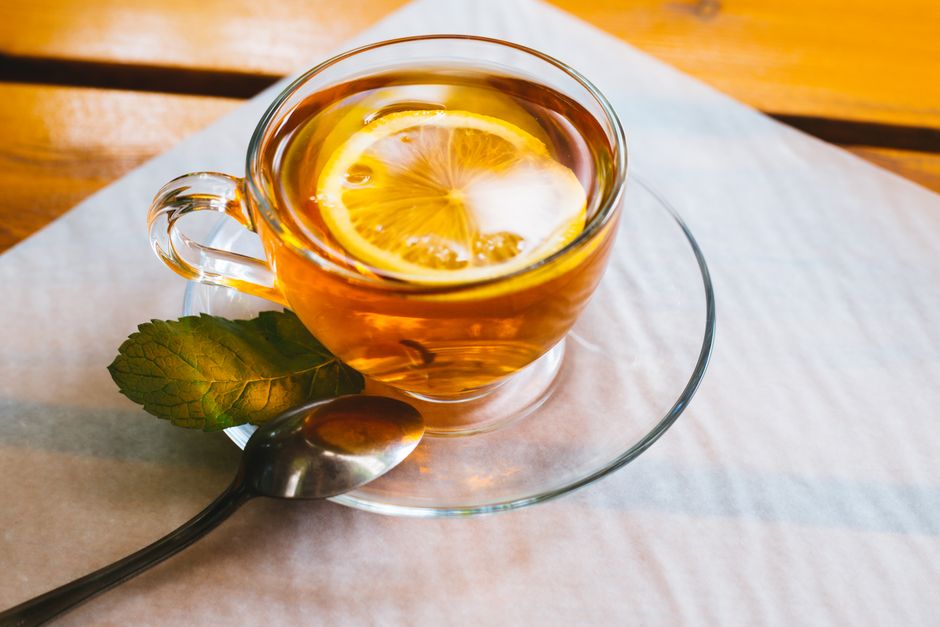
Diuretic teas are brewed from herbs that gently support the kidneys in getting rid of excess water. Green tea, hibiscus, mint, parsley, and dandelion lead this group; each can help ease the feeling of water retention with its own taste and speed of effect.
The supermarket shelf is a bit crowded, isn't it? Dozens of boxes, each promising something different. In this article, we'll go through which teas are actually known to be diuretic, how they differ, and how to drink them.
Table of Contents
Tea or Herb? What's the Difference?
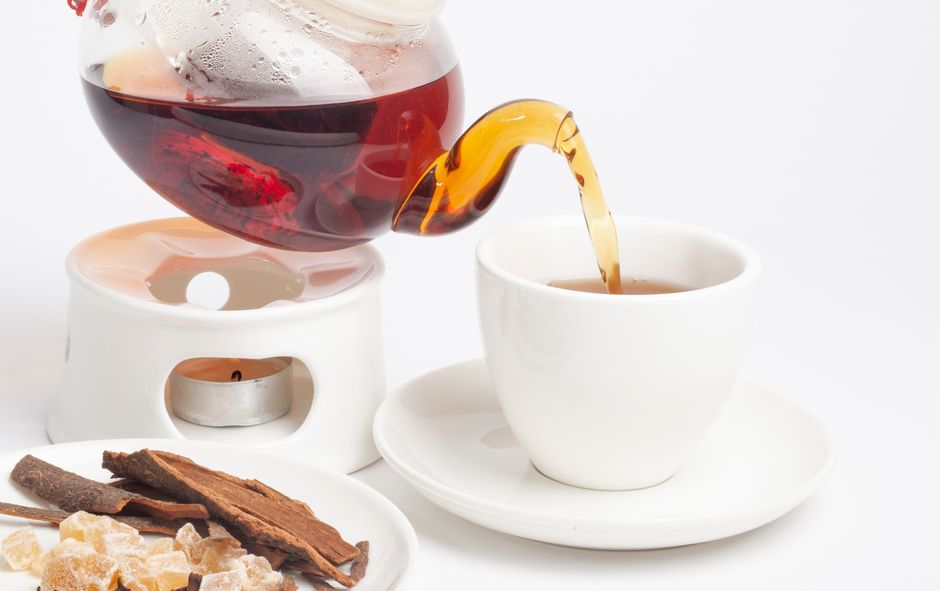
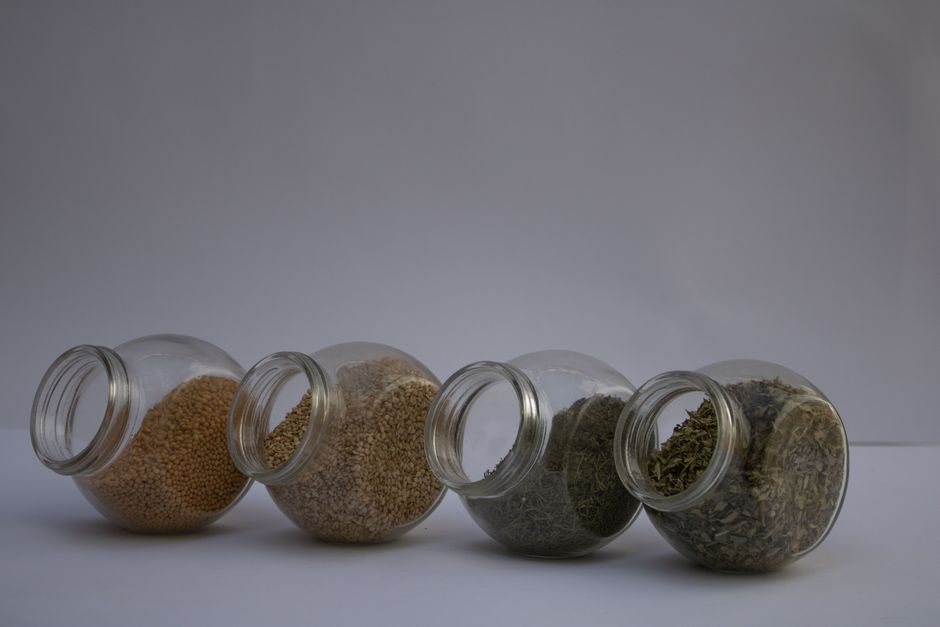
When you say diuretic herb, what comes to mind is raw material in the form of root, leaf, or seed. Diuretic tea, on the other hand, is the ready-to-drink version of these herbs, brewed in the right proportion. The difference may seem small, but it matters in practice: brewing an herb in the right dose takes experience, while a ready-made tea does the measuring for you.
If you want to compare the herbs one by one, check our diuretic herbs article. Here, our focus is on the teas you find in a box, a teabag, or a teapot — the thing you actually pour into your cup.
The 8 Most Effective Diuretic Teas
1. Green Tea
Green tea, which can increase urine production thanks to its mild caffeine content, is the easiest to find on this list. A cup in the morning is the first stop for anyone looking to ease the feeling of water retention throughout the day.
2. Hibiscus Tea
Known for its red color and tart taste, hibiscus is traditionally chosen to support fluid elimination. Brewed cold and served with ice, it becomes one of the most refreshing options of the summer months.
3. Mint Tea
Mint tea supports digestion while also soothing the bloated feeling caused by water retention. Since it's caffeine-free, it's easier to drink in the evening than other teas.
4. Parsley Tea
Parsley, which you know as a kitchen herb, turns into a tea that contributes to urine volume and frequency when brewed from its fresh leaves. Since its taste is sharp, most people prefer to soften it with a slice of lemon.
5. Dandelion Tea
Dandelion tea, made from its root and leaves, is one of the rare herbs that offsets potassium loss alongside its diuretic effect. That's why it's a preferred ingredient in many traditional blends.
6. Corn Silk Tea
Corn silk, known in folk medicine as a mildly effective tea that doesn't strain the kidneys, is gentler than other herbs. It can also be comfortably consumed by sensitive stomachs.
7. Fennel Tea
Fennel, widely used in Turkish cuisine, is known for both digestive support and a mild diuretic effect. If bloating and water retention happen at the same time, it can help on both fronts.
8. Mallow Tea
Mallow, which stands out for its effect as much as the look of its flower, is traditionally considered a strong diuretic herb. Its taste is mildly herbal, so it's usually sweetened with honey or lemon.
Which Is More Effective: Teabags or Loose-Leaf Tea?
In teabags, the herb is broken and ground, which increases the contact surface with water and shortens the brewing time. In loose-leaf dried teas you brew yourself, the aroma is released more slowly but the tea generally stays fresh for longer.
In terms of effectiveness, there's no big difference between the two — what really matters is the quality and freshness of the herb. Teabags suit those who want practicality, while loose-leaf tea suits those who enjoy the ritual. Storing both correctly is the most important step in preserving the tea's strength.
When and How Should It Be Drunk?
Adding a teabag or a pinch of herb to boiling water and steeping for 3-5 minutes is enough. Drinking 1-2 cups a day, in the morning or afternoon, is the general preference — drinking it late in the evening can increase the chance of waking up during the night.
One mistake is common: cutting back on water while drinking diuretic tea. This works in the opposite direction — when the body senses it's getting less water, it starts holding onto fluid more tightly. You need to keep drinking normal water alongside the tea.
Who Should Be Cautious?
Anyone with kidney, heart, or liver conditions, anyone taking blood pressure medication, and pregnant or breastfeeding women should always consult their doctor before regularly consuming these teas. You can find the general medical framework on this topic on the Bezmialem University Phytotherapy Department page .
Understanding where water retention comes from also matters. If you're curious about its cause, our article on why water retention happens and its symptoms can clarify things.
One Blend Instead of Eight Separate Boxes
Finding eight different teas separately and brewing each in the right proportion isn't practical for everyday life. A 13-herb blend that includes green tea, fennel, and hibiscus makes it easier to take these herbs morning and evening with a single sachet. For other methods to reduce water retention, check our natural ways to reduce water retention article, and if bloating and water retention happen together, our Tea and natural solutions for bloating article can help. You can find more details on our HerbaltoX Detox Tea page.
Frequently Asked Questions (FAQ)
Which is the strongest diuretic tea?
Dandelion and mallow are considered among the strongest-acting teas in traditional medicine. But the strongest option isn't always the most suitable one — gentler choices like corn silk may be more appropriate for sensitive stomachs.
Can diuretic teas be drunk every day?
They can be added to a daily routine in moderate amounts, 1-2 cups a day is enough. Consistently high-dose consumption can disrupt electrolyte balance, especially causing potassium loss.
Does diuretic tea help you lose weight?
No. The drop on the scale is water loss, not fat loss, and it comes back quickly once you drink water again. For lasting weight change, diet and physical activity are what matter.
Is teabag tea or loose-leaf tea healthier?
Since both come from the same herb, there's no meaningful health difference. The choice mostly comes down to practicality and freshness preference; a fresh, properly stored tea gives a more effective result regardless of its form.
This content was prepared by the HerbaltoX Content Team and does not constitute medical advice.
⚠️ This content is for general information purposes only and does not constitute medical advice. Please consult a healthcare professional for any health problems. HerbaltoX is an herbal supplement, not a medicine.