Diuretic Tea Side Effects: Electrolyte Balance and Who Should Be Careful
What are the side effects of diuretic tea? Learn about electrolyte balance, safe usage duration, and who should be careful, discover now.
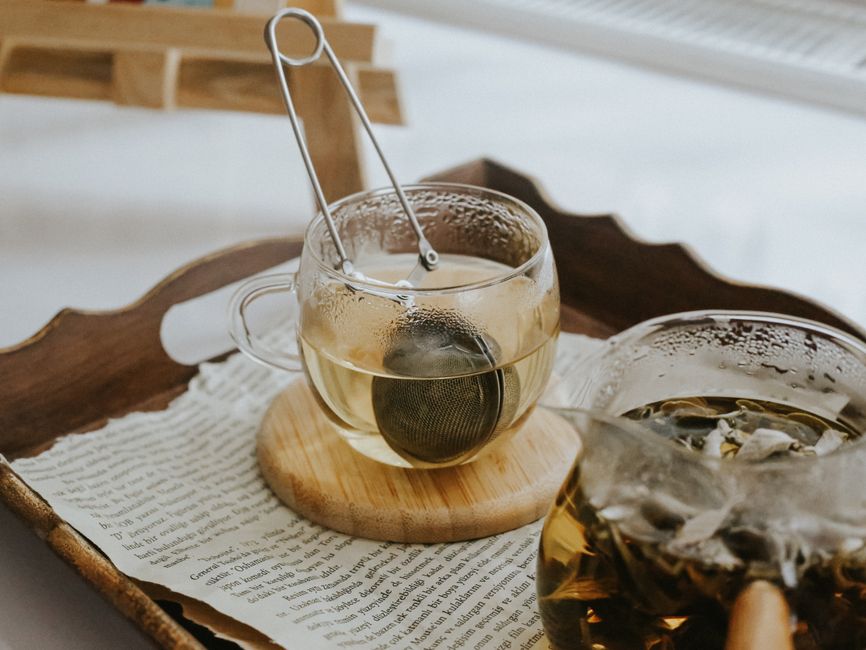
Diuretic teas can help the body get rid of excess water, but this process can lead to side effects in some people. The most common issue is a disruption of electrolyte balance: minerals such as potassium and sodium can leave the body in large amounts along with urine. Those with chronic conditions and those taking medication should be especially careful.
Drinking a cup of diuretic tea and feeling lighter is a nice feeling. But drinking it in unmeasured amounts day after day can create a very different picture. Adding these teas to your routine without understanding what your body needs can end up causing fatigue and dizziness rather than benefit.
Table of Contents
What Are the Side Effects of Diuretic Tea? The Short Answer
Diuretic teas are known for their diuretic effect, which means both water and some minerals are removed from the body. With excessive or long-term use, thirst, dizziness, muscle cramps, and fatigue can occur. These symptoms are usually a sign of electrolyte loss.
For a healthy adult, moderate consumption usually does not cause a problem. However, the risk increases in those with kidney, heart, or blood pressure conditions.
What Is Electrolyte Balance and Why Does It Matter?
Electrolytes are minerals that regulate the fluid balance and muscle-nerve signaling in your body. Potassium, sodium, magnesium, and calcium are at the top of this group. Even a small shift in this balance can show up as fatigue or heart palpitations.
When diuretic herbs increase urine production, some of these minerals also leave the body along with the urine. Drinking water partly compensates for this loss, but it does not make up for the mineral loss on its own.
If you are curious about the basics of the term diuretic, take a look at our what is diuretic tea article.
What Are the Possible Side Effects of Diuretic Teas?
The need to go to the toilet frequently and the resulting disrupted sleep.
Dizziness and blurred vision when standing up suddenly.
Muscle cramps, especially in the legs.
Dry mouth and an increased feeling of thirst.
Stomach discomfort, more noticeable with some herbs.
Not all of these symptoms appear at once; they usually start with a single sign. If you feel unusually tired, that can be a warning.
Which Herbs Show a Stronger Effect?
Dandelion
It is considered one of the stronger diuretic herbs in traditional use. Long-term, high-dose consumption can make potassium loss more noticeable.
Green tea
Because of its caffeine, it shows a mild diuretic effect. Consuming more than a few cups a day can increase the feeling of thirst.
Parsley
It is known as a diuretic in traditional cuisine and herbal teas. Consuming it in large amounts is not recommended during pregnancy.
As the strength of a herb increases, so does the need to use it carefully. Unmeasured consumption can turn a benefit into a side effect.
To see a herb-by-herb comparison, take a look at our diuretic herbs article.
Who Should Be Careful With Diuretic Teas?
Those with kidney, heart, or liver conditions should consult their doctor before adding diuretic teas to their routine. The risk of interaction increases for those taking blood pressure medication or prescription diuretics, because the two effects can stack on top of each other.
Pregnant and breastfeeding women should always ask a healthcare professional before regularly consuming these teas. The same rule applies before giving them to small children.
Those with a history of kidney stones or kidney failure.
Those taking regular blood pressure or heart medication.
Pregnant or breastfeeding women.
Those with a history of electrolyte imbalance.
How Much Should Be Consumed for Safe Use?
As a general rule, not exceeding 2-3 cups a day is a reasonable limit. This amount is sufficient and low-risk for most healthy adults.
Drink it at the same times of day, in measured amounts.
On days you drink diuretic tea, do not reduce your water intake, increase it instead.
Add potassium-containing foods like banana and spinach to your plate.
If you feel fatigue or muscle cramps, reduce your consumption.
When Should You See a Doctor?
If dizziness does not go away, if you feel heart palpitations, or if the frequency of muscle cramps increases, go to a healthcare facility without waiting. These symptoms can sometimes be a sign of a serious electrolyte imbalance and should not be brushed off with tea.
For the full list of warning signs related to edema, take a look at our when to see a doctor for edema article.
For the general medical definition of diuretics, you can review the Wikipedia Diuretic page .
13 Herbs in One Box: A Balanced Alternative
Instead of relying heavily on a single diuretic herb, choosing a measured blend can help you maintain balance. HerbaltoX Detox Tea combines 13 herbs, such as green tea, fennel, ginger, hibiscus, and mate tea, in measured sachets. It is used as 2 sachets a day: 30 minutes before breakfast in the morning and 30 minutes after dinner in the evening. Those who are pregnant, breastfeeding, taking medication regularly, or have a kidney, liver, or heart condition should consult a doctor before use. HerbaltoX is not a medicine, it is a herbal support product.
If water retention affects your daily life, our guide on Tea and natural solutions for bloating may also come in handy; for product details, see the HerbaltoX Detox Tea page.
Frequently Asked Questions (FAQ)
What is the most common side effect of diuretic tea?
The most common side effect is fatigue and dizziness caused by electrolyte loss. With excessive consumption, the feeling of thirst also becomes more noticeable.
Can diuretic tea be drunk every day?
In moderate amounts, not exceeding 2-3 cups a day, it is suitable for most healthy adults. Those with chronic conditions should consult their doctor first.
Can diuretic tea be taken together with blood pressure medication?
Because the two effects can stack on top of each other, do not combine them without consulting your doctor first. The risk of interaction varies from person to person.
Does diuretic tea help you lose weight?
No. The change on the scale comes from water loss, not fat loss. The water lost usually comes back in a short time.
Related Articles
This content was prepared by the HerbaltoX Content Team and does not constitute medical advice.
⚠️ This content is for general information purposes only and does not constitute medical advice. Please consult a healthcare professional for any health problems. HerbaltoX is an herbal supplement, not a medicine.