What to Eat and Avoid During a Detox: A Balanced List
What do you eat during a detox, and what do you avoid? Learn the balanced list, from vegetables and legumes to packaged foods to skip and a sample day.
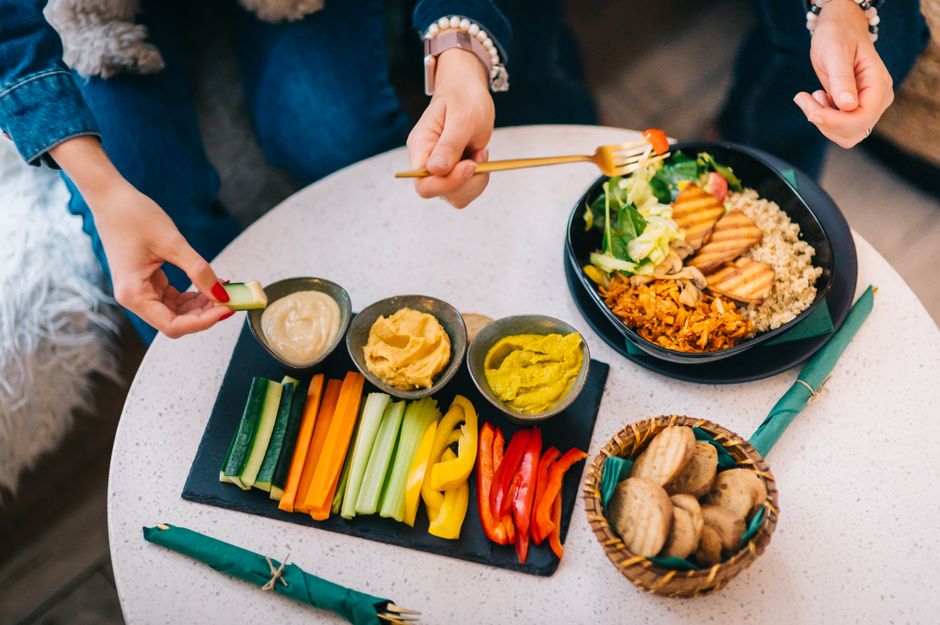
During a detox you eat minimally processed foods such as plenty of vegetables, seasonal fruit, legumes, whole grains, yoghurt and kefir, eggs and fish. You stay away from packaged snacks, sugary drinks, processed meat, too much salt and alcohol. Scientifically, a detox is not a cleansing cure but a habit of eating more simply for a few days. That is why the safest approach is to simplify without skipping meals.
The decision is made on Monday morning: this week is detox week. By Tuesday evening there is nothing left in the fridge but cucumbers and lemons, and on Wednesday afternoon you find yourself standing next to the tray of pastries at the office.
Sound familiar? The problem is not willpower, it is the plan. When you focus only on what not to eat without knowing what you will eat, hunger wins. Below you will find two lists, a sample day and the most common mistakes.
Table of Contents
What to Eat During a Detox: 8 Food Groups
Everything on this list can be found at the supermarket, the market or in your kitchen cupboard. What they have in common is that they are so lightly processed that you hardly need to read a label.
Vegetables: make half of your plate vegetables. Courgette, spinach, leeks, broccoli, artichoke and celery, cooked in olive oil or steamed, are filling and provide fibre.
Seasonal fruit: two or three portions a day are enough. Choose the whole fruit instead of juice, since the fibre stays in the peel and the pulp.
Legumes: lentils, chickpeas and dried beans keep you full for a long time. They are the most affordable way to cover your protein needs on detox days.
Whole grains: bulgur, oats, buckwheat and wholemeal bread. You do not have to cut out bread completely, it is enough to swap white bread for wholegrain.
Yoghurt, kefir and ayran: fermented dairy products contribute to regular digestion. Choose the plain version and keep the fruit-flavoured, sweetened ones off the list.
Eggs, fish and chicken: boiled, baked or grilled. Using these cooking methods instead of frying reduces the fat load of the meal.
Raw nuts and seeds: a handful of walnuts or almonds, or one tablespoon of chia. Choose unsalted and unroasted ones and limit the portion to a handful.
Olive oil, lemon and spices: when you cut back on salt, use cumin, mint, chilli flakes and lemon zest so the food does not taste bland.
If you want more detail on options that are gentle on the stomach, see this list: 8 foods that ease the feeling of bloating.
What Not to Eat During a Detox: 6 Things to Avoid
This is not a list of forbidden foods, just things you put on the shelf for a few days. Seeing what you actually miss once the detox is over is also the instructive part.
Packaged snacks: crisps, crackers, ready-made cakes and biscuits. Anything with an ingredient list longer than five lines belongs in this group.
Sugary drinks: fizzy drinks, ready-made fruit juices, flavoured iced teas and coffees with syrup. Most of the hidden sugar in a day comes from the glass.
Processed meat products: sucuk, salami, sausages and cured beef. Their high salt content can increase the feeling of water retention.
Too much salt: pickles, brined cheese and instant soups. Even leaving the salt shaker off the table makes a difference.
Fried foods and pastries: börek, savoury buns and chips. Heavy, greasy meals can slow down digestion.
Alcohol: it does not go with a detox period and also has a negative effect on sleep and fluid balance.
We explained the link between salt and water retention separately in this article: foods people choose against a puffy feeling.
What Does a Sample Day Look Like During a Detox?
The table below is not a prescribed menu, it is an example meant to give you ideas. Adjust the portions to your hunger and how active you are during the day.
Meal on a detox day | Sample choice on the plate | Reason for this choice |
|---|---|---|
Morning, breakfast | Boiled egg, plenty of greens, a slice of wholemeal bread | Protein and fibre carry you through morning hunger until lunch |
Mid-morning snack time | A piece of seasonal fruit and a few raw almonds | Smooths out sudden ups and downs in blood sugar |
Midday, main meal | Leeks in olive oil, bulgur pilaf and plain yoghurt | Vegetables, grains and a fermented dairy product together |
Late afternoon snack time | A glass of ayran or kefir | Stops you arriving at dinner overly hungry |
Evening, light main meal | Baked fish or lentil soup with a large seasonal salad | Light but filling, it does not weigh on the stomach before sleep |
For a step-by-step two-day version of this routine, see: our two-day simple eating plan.
Water and Herbal Teas: What to Drink During a Detox
The basic drink is water. For most adults, 8 to 10 glasses spread throughout the day is a reasonable target, although sweating and activity change that amount. If you struggle to drink plain water, adding a few slices of lemon or cucumber to the jug makes it easier.
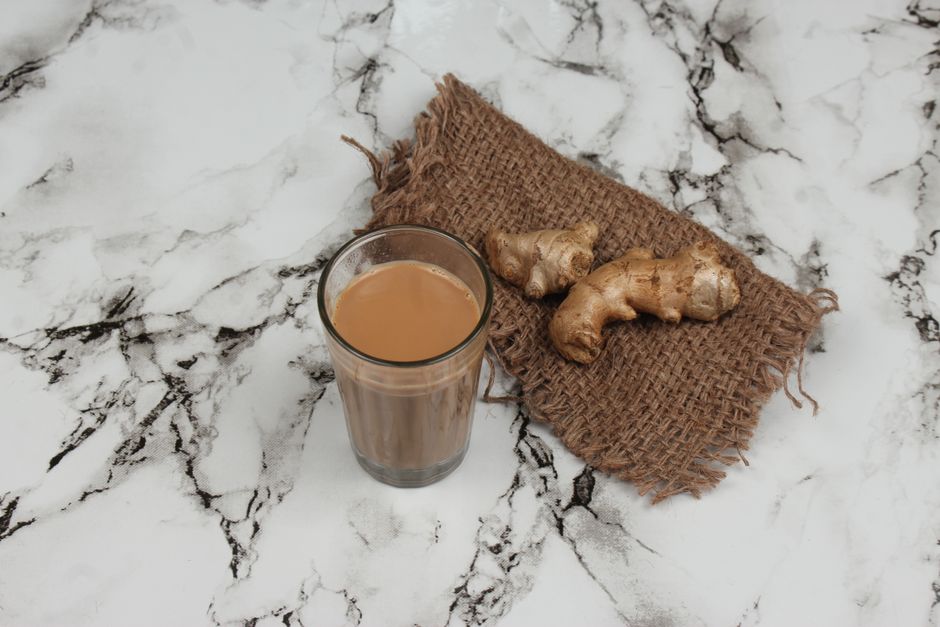
Caffeine-free herbal teas such as fennel, linden and ginger are a good alternative for the evening. Giving up coffee completely can cause headaches, so limiting it to one cup a day is more realistic. Every cup you drink without sugar helps replace the habit of sweet drinks during the day.
What Most People Get Wrong About Detox Eating
The most common misconception is that a detox means going hungry. Drinking nothing but juice for three days or skipping meals is a method nutrition experts often warn against. Sudden hunger can lead to dizziness, fatigue and uncontrolled eating afterwards.
The liver and kidneys already do the body cleansing work. What you can do through eating is cut back on the habits that make their job harder. The World Health Organization also points in the same direction in its fact sheet on healthy eating , recommending less free sugar and salt and more vegetables and fruit. In other words, a good detox day is really just a good ordinary day.
The second misconception is expecting lasting results from a few days of simple eating. We covered realistic expectations in this article: what you can expect from a herbal detox.
Who Should Not Start Detox Eating Without Asking a Doctor?
Simple eating is fine for most healthy adults. However, if you are pregnant or breastfeeding, have diabetes or a kidney or heart condition, take medication regularly or have a history of an eating disorder, talk to your doctor or a dietitian before changing your meal routine. For plans longer than three days, expert support is also the safer option.
A Cup to Go with Simple Eating
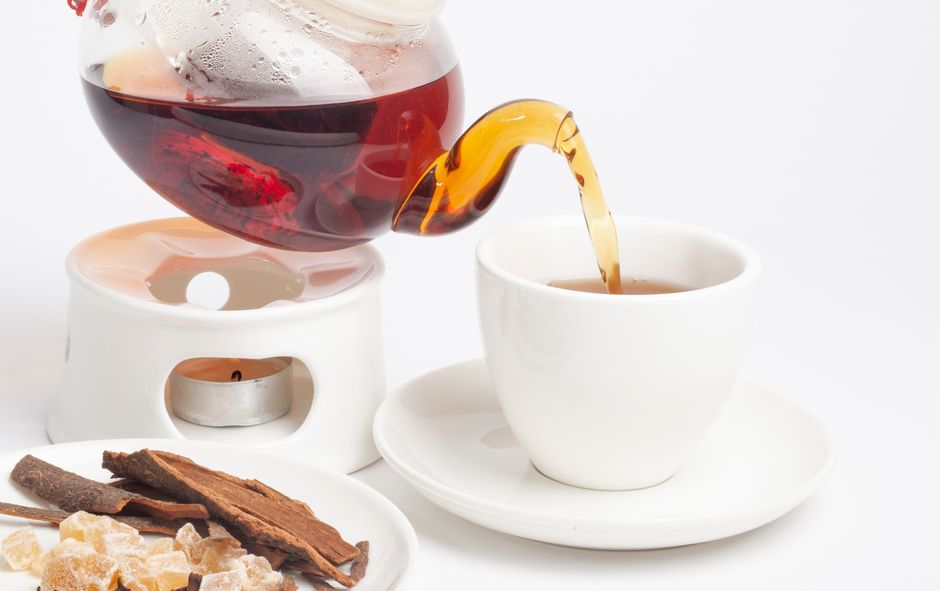
On detox days, placing a warm herbal tea between meals makes it easier to manage sweet cravings. If you do not want to brew separate herbs every day, the HerbaltoX detox tea blend with 13 herbs one option. It contains green tea, mate, ginger, fennel, Ceylon cinnamon, hibiscus, chia, konjac, spirulina, lime, stevia, caraway seed and senna. The tea does not replace a meal, it goes alongside the balanced plate described above.
It is used as 2 sachets a day: 30 minutes before breakfast and 30 minutes after dinner, steeped in hot water for 3 to 5 minutes. Because of the mate and green tea it contains a little caffeine, and it also contains a small amount of senna, so do not exceed the recommended amount. HerbaltoX is not a medicine, it belongs to the herbal supplement category. If you are pregnant or breastfeeding, take antidepressants or other regular medication, or have a liver, kidney or heart condition, high blood pressure, gastritis or an ulcer, talk to your doctor before you start.
Related Articles
Frequently Asked Questions (FAQ)
Can you eat bread during a detox, or should you cut it out completely?
There is no need to cut it out completely. Choosing one or two slices of wholemeal or rye bread instead of white bread increases your fibre intake and helps you stay full.
Can you eat eggs and cheese during a detox?
Yes. A boiled egg is a good source of protein. For cheese, it is enough to choose low-salt types such as fresh white cheese, lor or dry curd cheese and keep the portion small.
Should you stop drinking coffee on detox days?
You do not have to give it up. One cup without sugar, and without milk or with a little milk, is fine for most people. Coffees with syrup and cream, however, belong to the sugary drinks group.
How many days should detox-style simple eating last?
Since the foods on this list are already part of a balanced diet, there is no need for a time limit. Plans involving calorie restriction or skipped meals, however, should not go beyond three days and should be done with professional guidance.
⚠️ This content is for general information purposes only and does not constitute medical advice. Please consult a healthcare professional for any health problems. HerbaltoX is an herbal supplement, not a medicine.
This content was prepared by the HerbaltoX Content Team and does not constitute medical advice.