Natural Herbs for Gut Regularity: How to Brew Each One
Natural herbs for gut regularity and how to brew each one: discover the amounts, steeping times and practical tips for fennel, peppermint, ginger and chamomile.
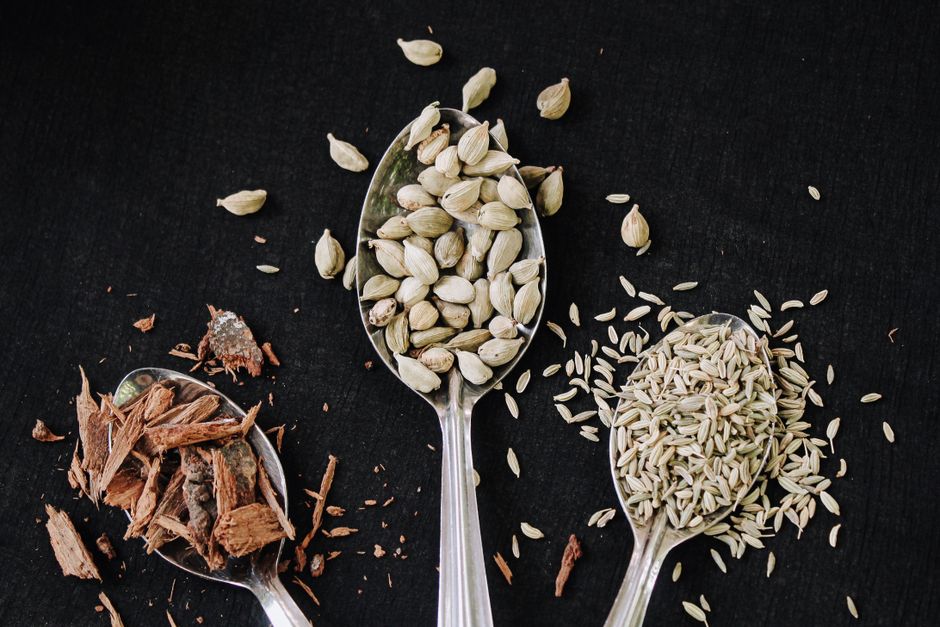
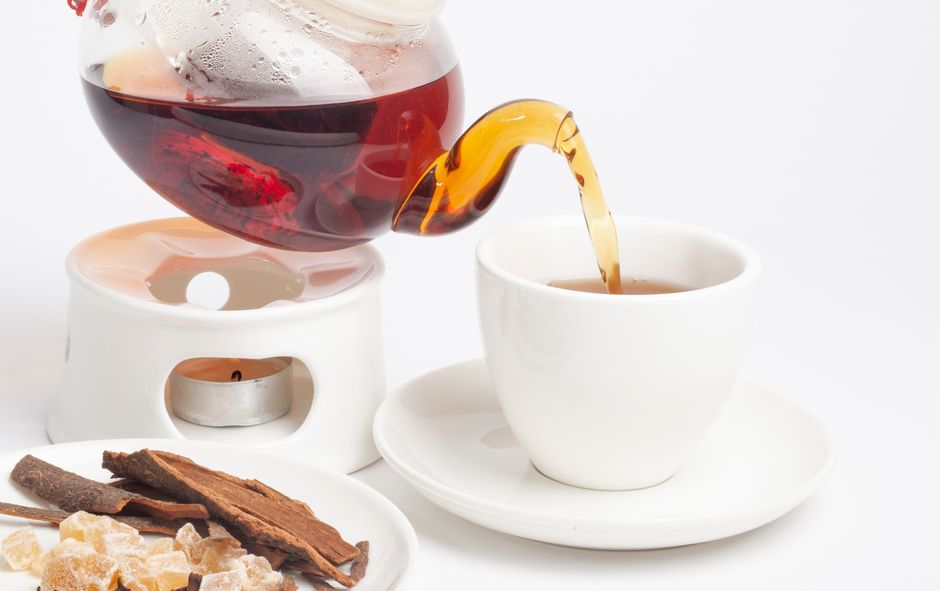
When people talk about natural herbs for gut regularity, the first ones that come to mind are fennel, peppermint, ginger, chamomile, anise and chia seeds. They are not all prepared the same way: leaves and flowers are steeped briefly, seeds are lightly crushed and left longer, and roots are simmered over low heat. So half the job is choosing the herb, and the other half is brewing it the right way.
There is a jar of fennel in your kitchen cupboard. One evening after dinner your belly feels tight, you remember it, drop a spoonful into a glass and pour hot water over it. Two minutes later you drink it, and it tastes almost like plain water.
The problem is not the herb, it is the method. A whole seed releases very little into water in two minutes. Below we go through which part of which herb is prepared with how much water and for how many minutes.
Table of Contents
What Are the Natural Herbs for Gut Regularity?
In traditional use these herbs fall roughly into three groups. The group you pick from shapes both what you can expect and how you prepare it.
Aromatic herbs: fennel, anise, peppermint, chamomile and lemon balm. Traditionally chosen for gas and a tight feeling after meals.
Warming roots: ginger above all. It has been used for centuries in traditional medicine to support digestion.
Fiber sources: chia seeds and psyllium seeds. They hold water and turn into a gel, and they are soaked rather than steeped.
Senna stands apart from this list. It is not a regulator but a herb that stimulates the bowel, and it is only used for short periods. We covered the general properties of these herbs in our article on herbs that support gut regularity . This guide looks at the kitchen side of things.
Leaf, Seed, Root: Why Does the Brewing Method Change?
The part of the plant you use decides how easily water can work its way in. A thin leaf and a hard root do not get the same treatment.
Steeping: for leaves and flowers. Boiled water is poured over them and they sit covered for 5 to 7 minutes.
Crushing and steeping: for seeds such as fennel and anise. The seed is lightly crushed with the back of a spoon and steeped for 7 to 10 minutes.
Simmering: for roots such as ginger. They are simmered over low heat for 5 to 10 minutes.
Soaking: for fibrous seeds such as chia. They are left in room-temperature water for at least 15 minutes.
Covering the cup is a small but important detail. The volatile oils that give aromatic herbs their scent escape with the steam. With a lid on, they stay in the cup.
How Do You Brew Natural Herbs for Gut Regularity?
First a summary table, then the details herb by herb. The amounts are for one glass, about 200 ml of water.
Herb | Part used | Amount | Method and time |
|---|---|---|---|
Fennel | Seed | 1 teaspoon, lightly crushed | Covered steeping, 7 to 10 minutes |
Peppermint | Leaf | 1 dessertspoon of dried leaves | Covered steeping, 5 to 7 minutes |
Ginger | Root | 2 or 3 thin fresh slices | Simmering over low heat, 5 to 10 minutes |
Chamomile | Flower | 1 dessertspoon of dried flowers | Covered steeping, 5 minutes |
Anise | Seed | 1 teaspoon, lightly crushed | Covered steeping, 7 to 10 minutes |
Chia | Seed | 1 dessertspoon | Soaking in lukewarm water, at least 15 minutes |
Fennel: Do Not Steep It Uncrushed
The shell of a fennel seed is hard. Lightly crush a teaspoon of seeds in a mortar or with the back of a spoon, pour boiling water over them and cover the cup. If you notice a slightly sweet, anise-like scent after ten minutes, you are on the right track.
Peppermint: Let the Boiling Water Rest a Minute
Peppermint leaves are thin, and vigorously boiling water drives off their aroma quickly. Boil the water, let it rest for a minute, then pour it over the leaves. The US National Center for Complementary and Integrative Health notes on its information page on peppermint that tea made from peppermint leaves appears to be safe, but that the long-term safety of consuming large amounts is unknown. If you have reflux, peppermint may not suit you.
Ginger: Simmer It, Do Not Steep It
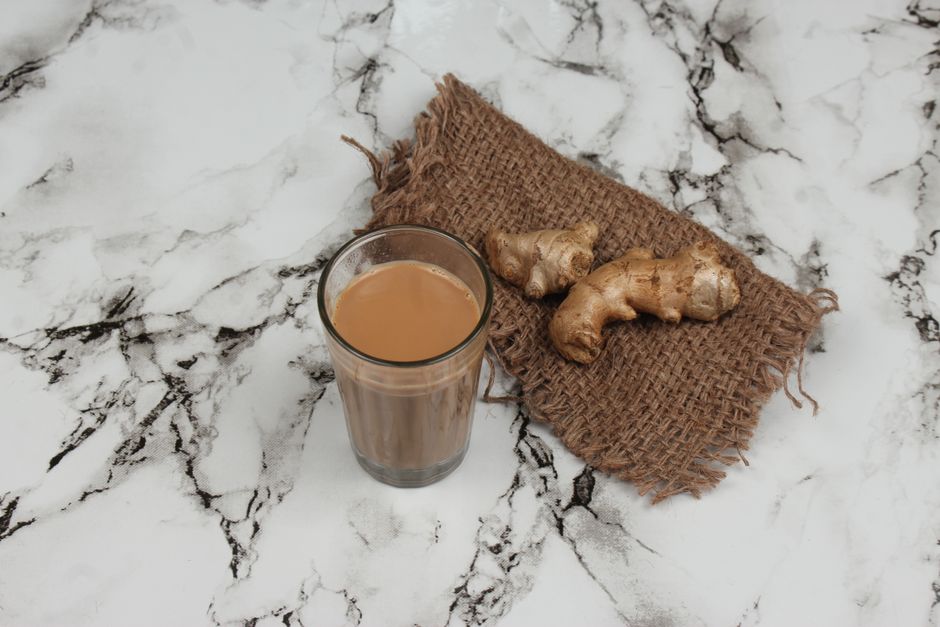
Slice fresh ginger thinly with the peel on, put it in cold water and simmer over low heat for 5 to 10 minutes. If you use ground ginger, half a teaspoon is enough and there is no need to simmer. People on blood-thinning medication should ask their doctor before having ginger regularly.
Chamomile and Anise: The Evening Pair
Chamomile flowers turn bitter if they sit for more than five minutes, so keep an eye on the time. Anise is crushed and steeped just like fennel. Both are caffeine-free, which makes them a good fit for the cup after dinner. If you are allergic to plants in the daisy family, stay away from chamomile.
Chia: Soaked, Not Steeped
Chia is not a tea herb, it is a source of fiber. Stir a dessertspoon into a glass of lukewarm water and let it sit for at least 15 minutes. Do not swallow it dry, and always drink another glass of water afterwards. Fiber cannot do its job without enough water.
The 5 Most Common Brewing Mistakes
Adding seeds without crushing them. A whole seed gives very little aroma to the water.
Leaving the cup uncovered. The scent fills the kitchen instead of staying in the cup.
Thinking that longer steeping makes it better. Most herbs just turn bitter when they sit too long.
Mixing five or six herbs at random. You will not be able to tell how each one sits with you.
Using stale herbs. A herb that has lost its scent has little left to give to the cup.
A small test for the last point: rub the herb between your fingers. If there is no scent, it is time to refill the jar. We covered storage in our herbal tea storage tips .
When and How Much Should You Drink During the Day?
For aromatic herbal teas the usual habit is one cup 20 to 30 minutes after meals. Two or three cups a day is a reasonable upper limit for most adults. More does not give a better result.
When you try a new herb, start with it on its own and with one cup a day. Watch for three or four days, then decide. Tea alone is not enough either: without water, a fiber-rich diet and a daily walk, it is not realistic to expect a lasting difference in gut regularity.
Most People Get This Wrong
People assume a regulator and a laxative are the same thing. Fennel or chamomile does not push the bowel, it may contribute to a feeling of comfort after digestion. Stimulant herbs such as senna, on the other hand, directly increase bowel movement and follow different rules.
Brewing senna strong or drinking it for weeks is a common mistake. Stimulant herbs are only for short-term use, and with long-term use the bowel can become sluggish and fluid loss can occur. We listed who should not use them at all in our guide on who should avoid laxative teas .
And one more thing: if you have constipation lasting more than three days, blood in the stool, severe abdominal pain or unexplained weight loss, tea is not the issue. These symptoms call for a medical examination.
Brewing One by One or a Ready Blend?
Brewing one by one gives you control: you know what you are drinking and how much. In return you have to measure, crush and keep time. A ready blend sets the amount for you.
HerbaltoX Detox Tea is an example of this second route. Its 13 ingredients, including fennel, ginger, cinnamon, chia and green tea, come together in a single sachet. It is used as 2 sachets a day: 30 minutes before breakfast and 30 minutes after dinner, steeped in hot water for 3 to 5 minutes.
The blend also contains a small amount of senna, so the recommended amount should not be exceeded. HerbaltoX is not a medicine, it is in the herbal supplement category. If you are pregnant, breastfeeding, take regular medication or have a liver, kidney or heart condition, high blood pressure, gastritis or an ulcer, talk to your doctor before you start.
Related Articles
Frequently Asked Questions (FAQ)
Can natural herbs for gut regularity be taken every day?
Aromatic herbal teas such as fennel, chamomile and peppermint can be had by most healthy adults at 2 or 3 cups a day. This does not apply to stimulant herbs such as senna, which are only for short-term use.
How many minutes should herbal tea steep?
For leaves and flowers 5 to 7 minutes is enough, and for crushed seeds 7 to 10 minutes. Roots are not steeped, they are simmered over low heat for 5 to 10 minutes.
Should herbal tea be taken on an empty or a full stomach?
Aromatic teas chosen for digestion are usually taken 20 to 30 minutes after a meal. Ginger can bother a sensitive stomach when taken on an empty stomach, so it is better after eating.
Is there a difference between tea bags and loose herbs?
The herb in a tea bag is cut finer, so it steeps faster and 3 to 5 minutes is usually enough. With loose herbs you set the amount and the time yourself. In both cases freshness and proper storage make the difference.
Can you drink herbal teas for gut regularity during pregnancy?
During pregnancy and breastfeeding, no herbal tea should be started without talking to a doctor. Products containing senna are not used during this period.
⚠️ This content is for general information purposes only and does not constitute medical advice. Please consult a healthcare professional for any health problems. HerbaltoX is an herbal supplement, not a medicine.
This content was prepared by the HerbaltoX Content Team and does not constitute medical advice.