Which Tea Stimulates the Bowels? The 7 Most Effective Herbal Teas
If you're wondering which tea stimulates the bowels, you're in the right place. Discover the 7 most effective herbal teas and when to drink them, learn now.
Tea for bowel movement usually refers to peppermint, ginger, fennel, and senna tea. These plants can support bowel movement and ease digestion, but each works through a different mechanism and at a different speed.
You haven't been able to go to the bathroom for three days, your stomach is bloated like a drum, and nothing makes you feel better. You search online for tea for bowel movement and dozens of lists pop up — most of them just list the same five plants. Here, we'll clarify how each tea works, when to drink it, and what happens if you overdo it with any of them.
Table of Contents
How Does Tea for Bowel Movement Work?
The bowels work through a muscle motion that continuously contracts and relaxes to move food along — this is called peristalsis. Some plants gently speed up this motion, while others create a stronger effect by irritating the bowel wall. The difference between the two matters: one is suitable for a daily routine, the other is a support that should be used briefly and carefully.
If water intake is insufficient, no tea works properly on its own. Herbal teas are a supporting factor, but the foundation is still drinking plenty of water and eating a fiber-rich diet. Skipping that and jumping straight to tea is like taking half a measure.
The 7 Most Effective Teas for Bowel Movement
All of the teas below are prepared by adding 1 dessert spoon of dried herb to 1 cup of hot water, brewing for 5-10 minutes, and then straining. If you want to sweeten it with honey, add it after brewing, once the water has cooled slightly.
1. Peppermint Tea
Thanks to the menthol it contains, peppermint is known as a plant that relaxes the bowel muscles. It's one of the gentlest options for those who feel bloated after eating — start here if you're looking for a soothing effect rather than a strong one.
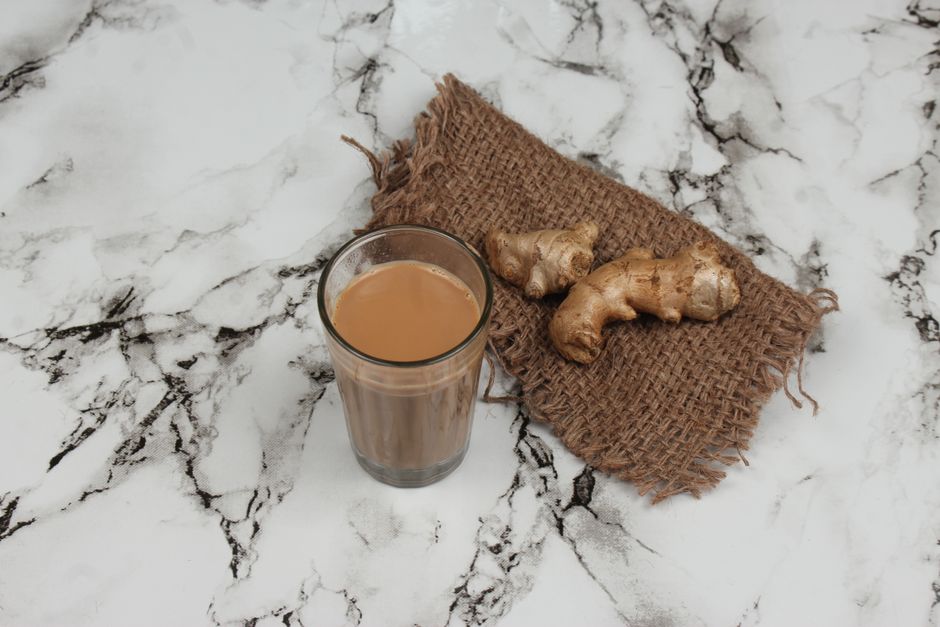
2. Ginger Tea
Ginger is a root that has been used in traditional medicine for centuries as a digestive support. It's thought to contribute to speeding up stomach and bowel movement, while its mildly spicy taste also helps balance appetite.
3. Fennel Tea
Fennel, common in Turkish cuisine and traditional herbal teas, is especially preferred for gas pain and bloating. It's known for its effect of easing bowel spasms, and a cup after meals can be a good habit.
4. Senna Tea
Senna is one of the most potent traditional digestive plants. Precisely for this reason, using it in high amounts or for long periods isn't recommended — using it a few times a week, in a low dose, is enough. For more information about senna, see the general properties of the senna plant is worth a look.
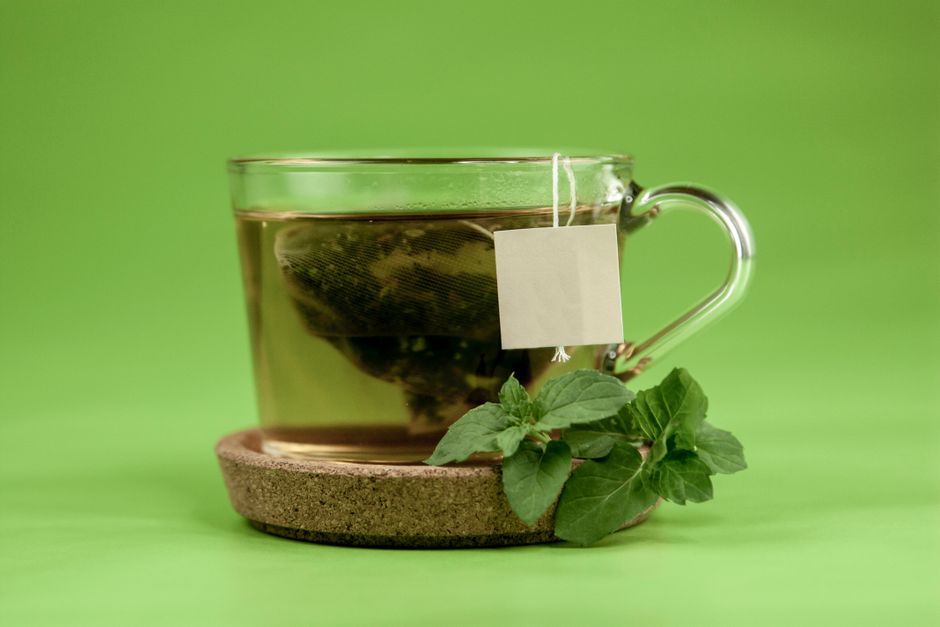
5. Green Tea
Green tea, the world's most widely consumed herbal drink, invigorates the metabolism with its mild caffeine content. A cup of green tea in the morning can help support the bowels starting the day more actively.
6. Mate Tea
Most lists stop here, but skipping mate tea would leave something out. Native to South America, this plant is known not only for its energizing properties but also as a drink that speeds up digestion. Worth trying instead of coffee during the afternoon slump.
7. Cinnamon Tea
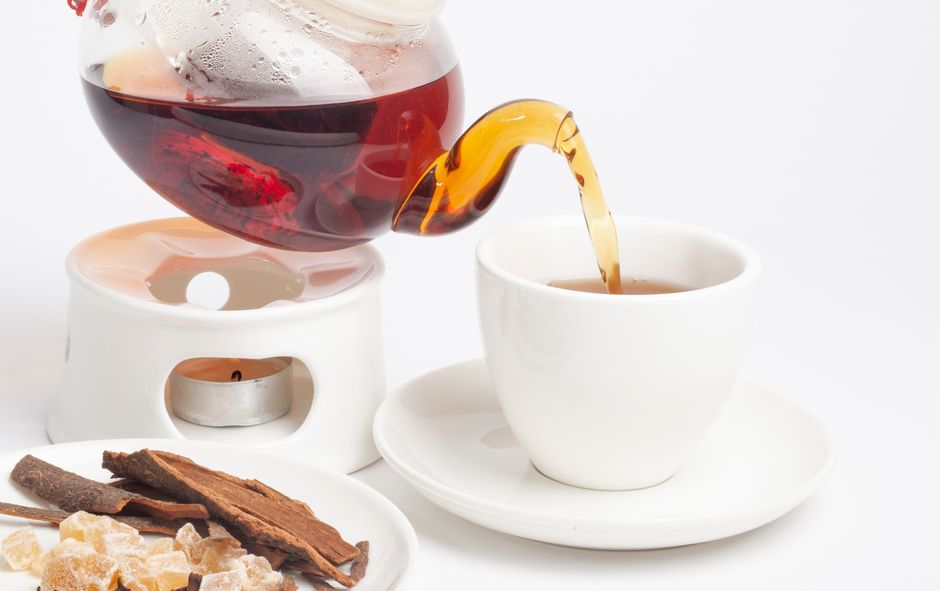
Real cinnamon (Ceylon) is known as a spice that adds natural sweetness to sugar-free drinks while also supporting digestion. Its effect becomes more noticeable when brewed together with ginger — a good closing tea after dinner.
When and How Should You Drink Tea for Bowel Movement?
A cup drunk 30 minutes before breakfast in the morning is good timing to prepare the bowels for the day. A cup drunk after dinner, on the other hand, can help ease bloating built up during the day. There's no need for more than 2 cups a day — more doesn't mean faster results.
Drinking it warm is considered slightly more effective than drinking it cold, because warmth on its own gently supports bowel movement. That's why it's best to consume the tea while still warm, right after brewing.
Most People Get This Wrong
Some people think the stronger the tea, the better. This is especially wrong when it comes to senna — strong and frequent use can get the bowels used to that effect and weaken their natural movement over time. In other words, a strong tea drunk daily can produce the opposite result in the long run.
There's also the idea that tea for bowel movement helps you lose weight. These are two different things — faster bowel movement and fat loss are not the same. Water and mineral loss can briefly lower the number on the scale, but this isn't a lasting result, just a temporary appearance.
A Ready-Made Alternative to Brewing Every Day
Measuring and brewing a different plant every morning means keeping five separate jars in the cupboard — enjoyable the first week, a forgotten routine by the third. If you're looking for a balanced blend instead of dealing with each one separately, as in our earlier article on what helps with constipation , there's a 13-herb blend option that also includes ginger, fennel, senna, and green tea. One sachet in the morning and one in the evening — you get the same plants together without dealing with measuring or brewing time. For details, check out the HerbaltoX Detox Tea page.
Frequently Asked Questions (FAQ)
Can bowel-stimulating tea be drunk every day?
Gentle plants like peppermint, fennel, and green tea are suitable for a daily routine. Strong-effect teas like senna, on the other hand, should be limited to a few times a week.
How long does senna tea take to work?
It usually shows its effect within a few hours. However, tracking the dose and frequency is important for long-term bowel health.
Does tea for bowel movement help you lose weight?
It doesn't directly cause fat loss. A temporary change on the scale due to water and mineral loss may be seen, but it's not a lasting weight-loss effect.
Can pregnant women drink tea for bowel movement?
Gentle teas like peppermint are generally considered safe. For more potent plants like senna and ginger, we strongly recommend consulting your doctor.
⚠️ This content is for general information purposes only and does not constitute medical advice. Please consult a healthcare professional for any health problems. HerbaltoX is an herbal supplement, not a medicine.
Related Articles
Konuyla ilgili diğer yazılarımız: Herbs That Support Gut Health: 5 Recommendations | HerbaltoX, Gut-Regulating Herbs: 7 Plants That Ease Digestion, Natural Ways to Speed Up Bowel Movement: 7 Effective Methods.